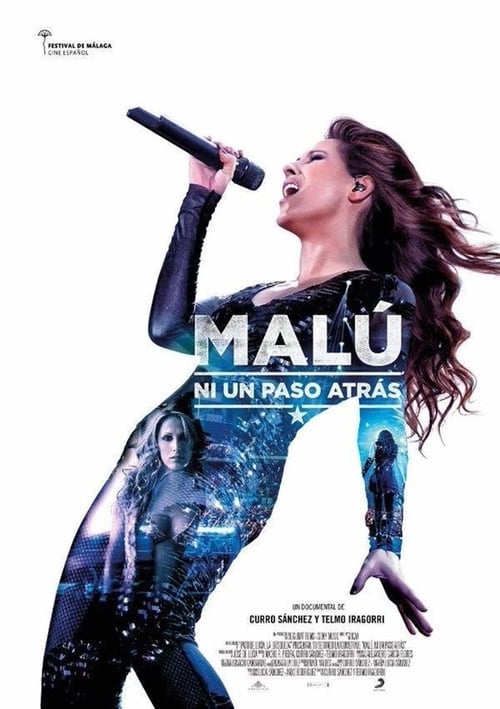
Malú: ni un paso atrás
2016
No user ratings available yet
Representation score: 4.7 out of 10

Representation Score
Good
2016
Director
Diego Galán
Runtime
95 minutes
Average Rating
No ratings yetNew Showbiz Analysis
Diego Galán’s documentary investigates the evolution of masculinity in Spanish film history. By shifting focus from individual characters to the systemic ways the industry shapes gender, the film encourages viewers to recognize inherent biases in traditional storytelling. The work effectively breaks down established cultural hierarchies through historical analysis. It goes beyond simple documentation to actively deconstruct how gendered identities are performed and challenged through film. However, the film's scope is limited. While it delves deeply into domestic cultural archetypes, it lacks broader perspectives that reflect multiple aspects of identity on racial and multi-ethnic identities.
Category Breakdown
The film explores how Spanish cinema has moved from rigid stereotypes to more flexible representations of LGBTQ+ identities. It provides a space to discuss these identities that were previously sidelined or caricatured in media.
This documentary challenges traditional gender roles by breaking down the 'macho' stereotype. It views masculinity as a performance rather than a fixed biological trait, allowing for more nuanced expressions.
The analysis centers on internal European identity politics within Spanish cinema. It does not address post-colonial or multi-ethnic identities, focusing solely on the domestic context.
The work critiques patriarchal institutions and traditional social norms. It uses a critical perspective to examine how cultural and societal constructs shape our understanding of gender.
There is no information about the inclusion or portrayal of characters with disabilities in this work.
Present on Screen
Limited or Absent
Official Synopsis
A look at the different masculinities portrayed in Spanish cinema through time. (A sequel to “Barefoot in the Kitchen,” 2013.)
2016

1993

1983

2022

2019
2016

2014

2000
No reviews yet. Be the first to share your thoughts on this movie!
Use the rating form above to leave a star rating and optional review.