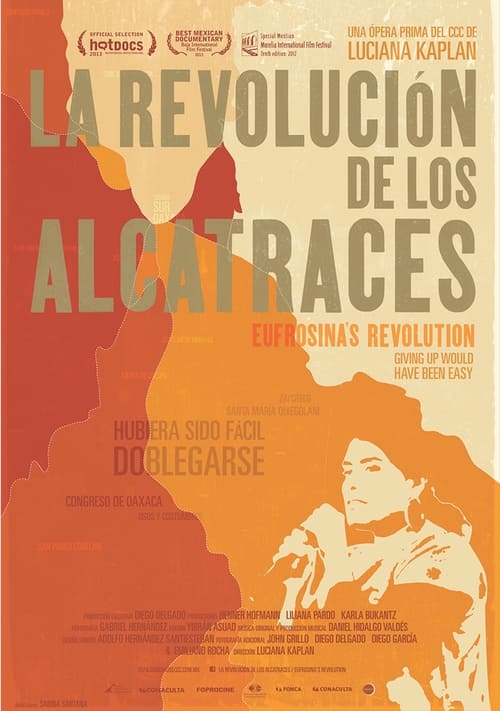
Eufrosina’s Revolution
2012
No user ratings available yet
Representation score: 4.9 out of 10
Representation Score
Excellent
2020
Director
Luciana Kaplan
Runtime
82 minutes
Average Rating
No ratings yetNew Showbiz Analysis
Luciana Kaplan’s documentary is a powerful study of how race and gender intersect within the Mexican political landscape. By centering María de Jesús Patricio, the film provides a rigorous critique of systemic exclusion. The work is most effective in its portrayal of indigenous ability to act and the dismantling of patriarchal leadership norms. However, the film's narrow focus on indigenous political struggles means other identity markers, such as LGBTQ+ or disability representation, are not addressed.
Category Breakdown
The film primarily explores indigenous identity and gender. There are no explicit LGBTQ+ narratives or characters mentioned.
The documentary centers on María de Jesús Patricio, the first indigenous woman to run for president in Mexico. This challenges patriarchal political structures and highlights her role in driving the story.
The film excels by focusing on an indigenous protagonist. It examines how racism and ethnicity influence political ability to act and social perception in Mexico.
The narrative critiques traditional power structures by highlighting the conflict between indigenous movements and established political systems. It emphasizes the lived experiences of underrepresented groups.
There is no specific evidence regarding the portrayal of physical or neurodivergent disabilities. The film remains neutral on this aspect.
Present on Screen
Limited or Absent
Official Synopsis
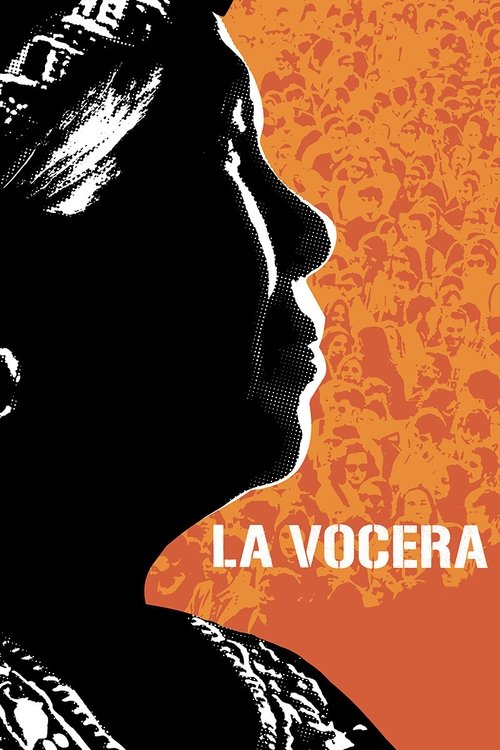
The Spokeswoman narrates the trip of María de Jesús Patricio, the first indigenous woman to run for president in Mexico, revealing the nature and complexity of racism and gender discrimination in a changing society.
2012

2016
2012

2019
2020

2010
2019
2017
No reviews yet. Be the first to share your thoughts on this movie!
Use the rating form above to leave a star rating and optional review.