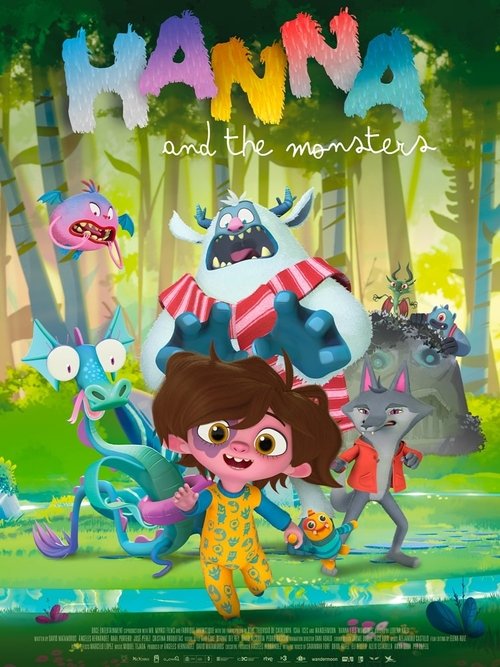
Hanna and the Monsters
2023
No user ratings available yet
Representation score: 8.4 out of 10
Representation Score
Fair
2011
GDirector
Takashi Yamazaki, Ryuichi Yagi
Runtime
87 minutes
Average Rating
No ratings yetNew Showbiz Analysis
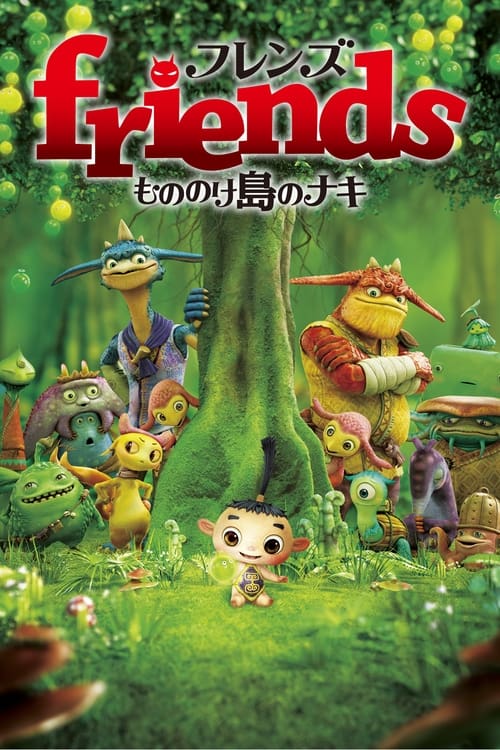
The film examines diversity through the concept of 'otherness' rather than direct human identity markers. By focusing on the vulnerability of a monster community, it dismantles traditional fear-based hierarchies between species. While the narrative employs non-human entities to metaphorically explore themes of exclusion and systemic fear, it lacks specific multi-layered depth. The absence of clear character identities for both the human and monster populations hinders a thorough assessment of social representation. Overall, the film serves as a study of the outsider. It moves away from typical hero/villain binaries to examine how isolated communities respond to external threats, offering a moderate level of meaningful, though metaphorical, representation.
Category Breakdown
The film doesn't include explicit references to LGBTQ+ identities or non-straight relationships. The story revolves around a human child interacting with a community of monsters.
The main character, Mushroom, is described as a human child without specifying their gender. There isn't enough information to evaluate gendered power dynamics or the influence of gender roles.
The film uses non-human species to represent racial and ethnic diversity. The tension between the monsters and the human child explores themes of belonging and fear.
The story challenges the stereotype of monsters being inherently evil. By showing creatures as fearful of humans, it shifts the moral perspective to a more nuanced viewpoint.
There are no characters explicitly identified as having disabilities. However, the theme of a child navigating an unfamiliar environment might relate to sensory or neurodivergent experiences.
Present on Screen
Limited or Absent
Official Synopsis
Offshore, shrouded in fog, there is a mysterious island that is said to be the home of a family of monsters. It is strictly forbidden to approach it. But one day a human child, Mushroom, it loses and coming face to face with the mysterious creatures that live there. The arrival of Mushroom, makes panic on the island because the monsters are actually terrified of living humans.
2023
2012

2010
2003
2016
2017

2018
2004
No reviews yet. Be the first to share your thoughts on this movie!
Use the rating form above to leave a star rating and optional review.