I Want a Dog for Christmas, Charlie Brown
2003
No user ratings available yet
Representation score: 1.7 out of 10
Representation Score
Minimal
1995
Not RatedDirector
Toshiyuki Hiruma, Takashi Masunaga
Runtime
47 minutes
Average Rating
No ratings yetNew Showbiz Analysis
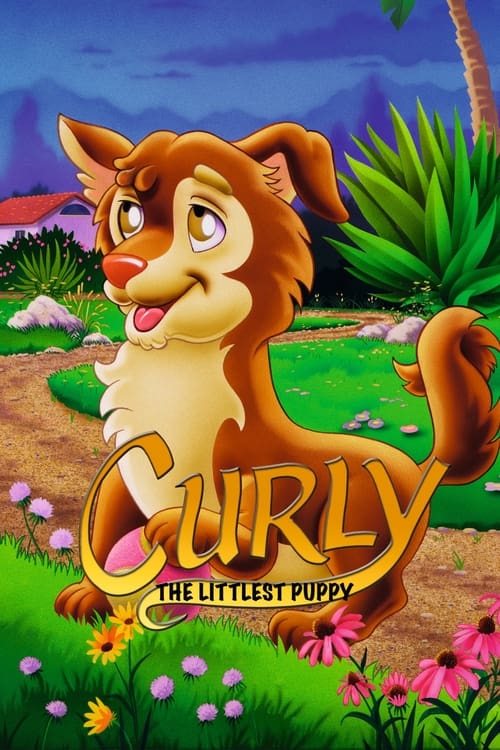
Curly - The Littlest Puppy follows a traditional coming-of-age storyline focused on the emotional bond between a young girl and her dog. The story prioritizes a simple, character-driven arc about finding joy in everyday life. Since the narrative focuses on a singular, traditional relationship, it does not address broader identity issues or power dynamics. The film adheres to standard family animation clichés without engaging with multi-layered frameworks. Ultimately, the film serves as a straightforward family tale rather than a work designed to explore diverse social or cultural identities.
Category Breakdown
The film does not include any representation of LGBTQ+ identities. The narrative centers around the relationship between a child and her pet.
Haley is the main female character in the film. However, it is unclear whether the film challenges or upholds traditional gender roles.
The synopsis does not provide information about the racial or ethnic makeup of the cast. There is no indication of diverse casting or non-Anglo-Saxon representation.
The story emphasizes personal growth and emotional development through everyday adventures. It avoids religious or political messages, focusing on universal themes.
There is no mention of physical disabilities, mental health conditions, or neurodivergence. The characters do not include any representation of disability.
Present on Screen
Limited or Absent
Official Synopsis
Haley is bored by her life until she meets an adorable mutt puppy named Curly, who teaches her how to treasure everyday adventures.
2003
1999
1990
1972

1973
1986

2010

1981
No reviews yet. Be the first to share your thoughts on this movie!
Use the rating form above to leave a star rating and optional review.