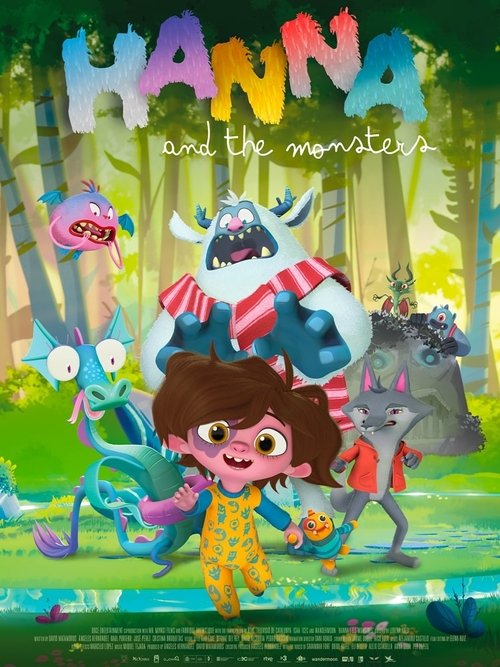
Minions & Monsters
2026
No user ratings available yet
Representation score: 3.1 out of 10
Representation Score
Excellent
2023
Director
Lorena Ares
Runtime
75 minutes
Average Rating
No ratings yetNew Showbiz Analysis
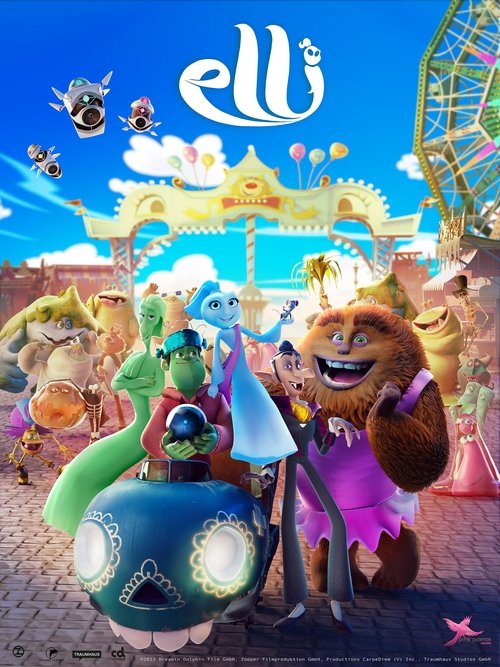
Hanna and the Monsters uses a fantasy framework to explore the tension between integration and isolation. The narrative centers on a protagonist who acts as a catalyst for change within a community of 'monsters,' a classic metaphor for underrepresented groups seeking autonomy. The film's strength lies in its subversion of traditional power dynamics. By centering a young female character as the primary driver of the plot, it moves away from passive character clichés and emphasizes her role in driving the story. However, the film's specific demographic depth remains speculative. While the monster setting provides a rich metaphor for racial, ethnic, and neurodivergent plurality, the lack of explicit character details limits a definitive assessment of its representation.
Category Breakdown
The film doesn't explicitly confirm specific LGBTQ+ identities or relationships. However, the theme of monsters living apart from human norms offers a foundation for exploring non-traditional identities.
Hanna is a strong female protagonist who drives the plot. She takes risks against powerful entities, avoiding traditional stereotypes of female passivity.
Though specific ethnicities aren't confirmed, the diverse monster populations symbolize plurality. The conflict highlights a narrative focused on protecting a distinct, non-dominant culture.
The story criticizes isolationism and the friction between different social worlds. The antagonists represent a reactionary force seeking to enforce strict boundaries and prevent contact with the 'other.'
There is no explicit depiction of neurodivergence or physical disabilities. The monster archetype often represents physical difference, but specific storylines are missing.
Present on Screen
Limited or Absent
Official Synopsis
Monsterville is a village inhabited by monsters that have grown tired of living among humans. But one day, Hanna manages to break into her world by putting Monsterville at risk. After the initial fright, the monsters will have to fight against worse enemies: Gargoyle and Cyclops, two monsters that will want to use Hanna to permanently close any contact with the outside world ... running the risk of Hanna being trapped forever in Monsterville.
2026
2022
2012
2021
2020
2009
2024

2014
No reviews yet. Be the first to share your thoughts on this movie!
Use the rating form above to leave a star rating and optional review.