The Iris Effect
2004
No user ratings available yet
Diversity score: 3.6 out of 10
1950
NRDirector
Antony Darnborough, Terence Fisher
Runtime
81 minutes
Average Rating
No ratings yetSynopsis
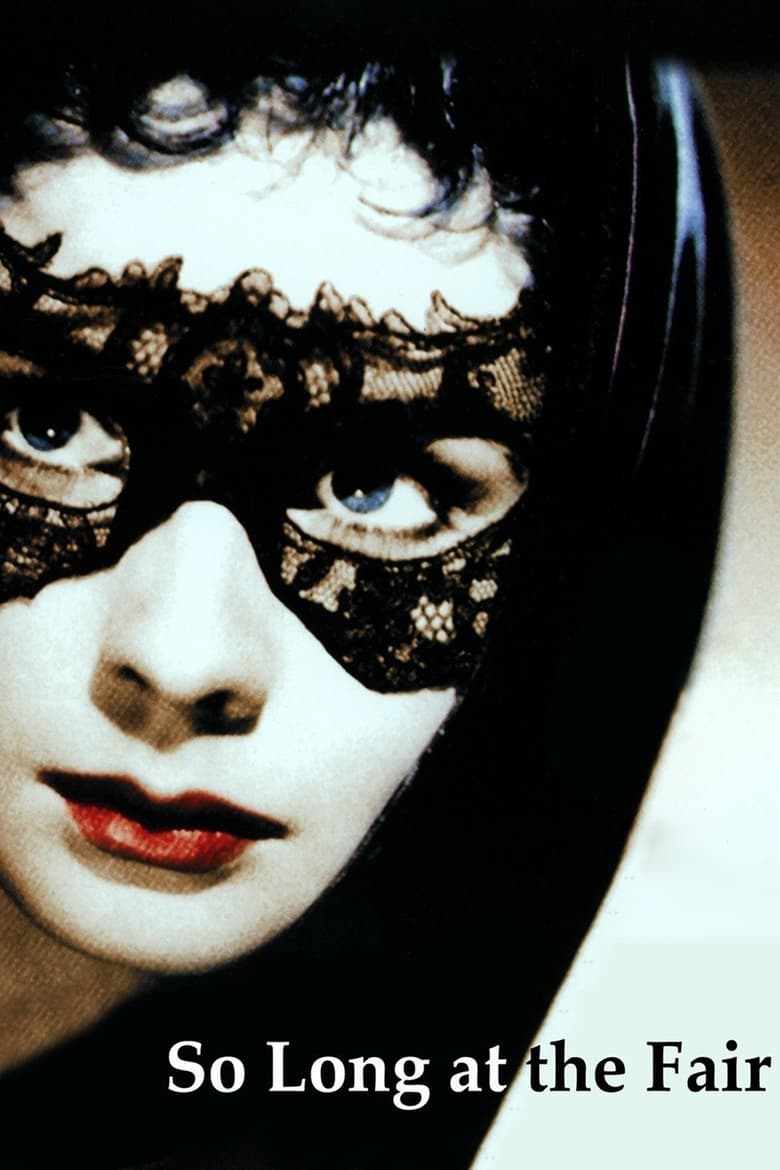
Vicky Barton and her brother Johnny travel from Naples to visit the 1889 Paris Exhibition. They both sleep in seperate rooms in their hotel. When the she gets up in the morning she finds her brother and his room have disappeared and no one will even acknowledge that he was ever there. Now Vicky must find out what exactly happened to her brother.
Overall Score
Limited
Category Breakdown
LGBTQ+ Representation
The film lacks any evidence of non-cisnormative identities. Interpersonal dynamics follow the conventional romantic and familial structures typical of the era.
Gender Representation
Vicky Barton provides central agency as the protagonist driving the investigation. However, she remains rooted in the traditional social expectations of a 19th-century Englishwoman.
Racial & Ethnic Diversity
The cast is primarily Anglo-European, reflecting the homogeneous casting standards of 1950s British productions. The Parisian setting does not translate into non-white or non-Anglo-Saxon representation.
Religious & Cultural Diversity
The story adheres to traditional Western storytelling and period drama tropes. It focuses on mystery and family bonds rather than deconstructing Western institutions or secularist critiques.
Disability Representation
There are no visible or invisible disabilities portrayed with agency. The narrative does not feature characters with physical or neurodivergent impairments as part of their arcs.
Strengths
Areas for Improvement
AI Analysis
This period mystery centers on a familial disappearance within a traditional 19th-century framework. While the female lead provides necessary momentum for the plot, the film operates strictly within the social and cinematic constraints of its time. The production reflects the homogeneous perspectives of mid-century British cinema. It prioritizes a linear mystery over the exploration of identity politics or the subversion of systemic hierarchies. Ultimately, the film lacks intersectional complexity. It functions as a standard genre piece that maintains established social norms rather than challenging them.
No reviews yet. Be the first to share your thoughts on this movie!
Use the rating form above to leave a star rating and optional review.