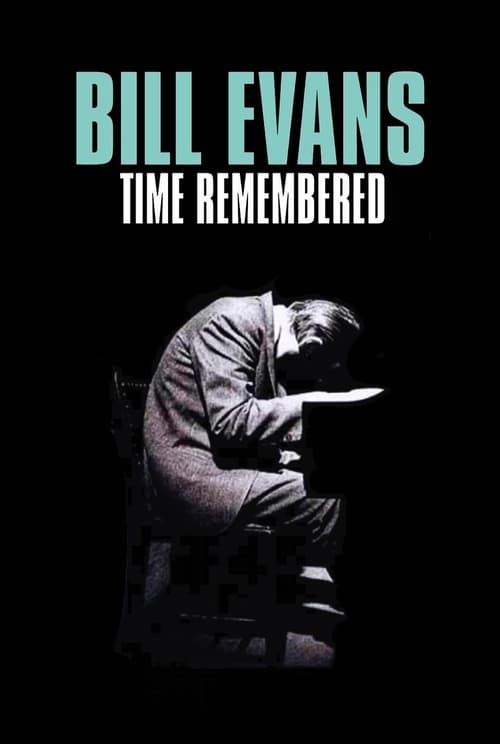
Bill Evans Time Remembered
2015
No user ratings available yet
Representation score: 4.9 out of 10
Representation Score
Fair
1957
ApprovedRuntime
63 minutes
Average Rating
No ratings yetNew Showbiz Analysis
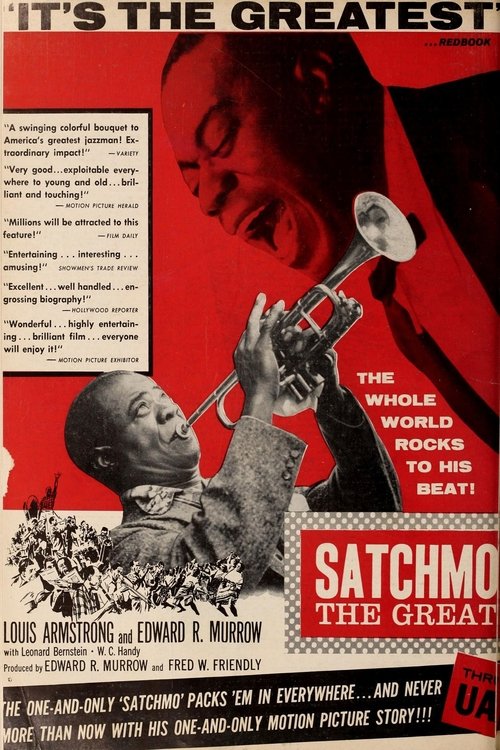
Satchmo the Great presents Louis Armstrong as a powerful symbol of Black ability to act during the mid-20th century. By highlighting his musical authority and including figures like W.C. Handy, the film challenges many era-specific racial hierarchies. However, the film’s scope is limited by the social norms of 1957, resulting in a predominantly male-centric narrative and a lack of LGBTQ+ representation. Ultimately, while the film successfully portrays racial and disability dignity, it falls short due to the absence of diverse gender representation and LGBTQ+ narratives.
Category Breakdown
The film does not include any characters with LGBTQ+ identities or non-cisgender identities. It focuses solely on Louis Armstrong's musical career and diplomatic efforts.
The story primarily features male musicians such as Armstrong, Bernstein, and Handy. There is a noticeable lack of strong female roles or challenges to traditional gender roles.
Louis Armstrong is portrayed as a prominent global figure with significant cultural influence. Including W.C. Handy emphasizes the narrative of Black intellectual and creative leadership.
The film portrays jazz as a means of international connection, emphasizing its ability to unite people across borders through its emotional resonance.
The film respectfully depicts W.C. Handy as a blind songwriter, highlighting his creative achievements without relying on his disability as a plot device.
Present on Screen
Limited or Absent
Official Synopsis
In this 1957 biography film of the jazz-great Louis "Satchmo" Armstrong, he and his band tour the world as American good-will ambassadors bring jazz at its best to the people of the world. Within the film, the life of Louis Armstrong is portrayed through the music. One of the outstanding scenes in this "biography/docudrama" shows blind songwriter W. C. Handy, with tears streaming down his face, as Armstrong, backed by Leonard Bernstein leading the New York Philharmonic Orchestra, play Handy's immortal "St. Louis Blues."
2015

1954
2003
1942
2004
1986
1997
2016
No reviews yet. Be the first to share your thoughts on this movie!
Use the rating form above to leave a star rating and optional review.