
Stormy Weather: The Music of Harold Arlen
2002
No user ratings available yet
Representation score: 5.7 out of 10
Representation Score
Good
1994
TV-GDirector
Larry Weinstein
Runtime
91 minutes
Average Rating
No ratings yetNew Showbiz Analysis
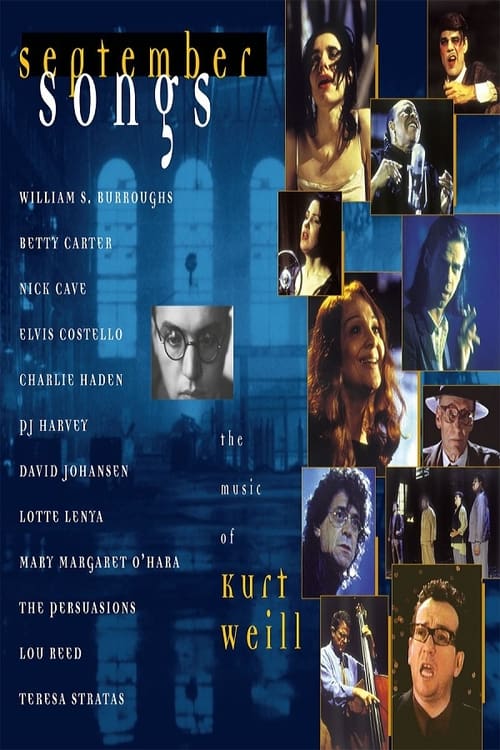
Larry Weinstein’s documentary presents a postmodern musical collage that avoids a singular tribute. By using multiple perspectives, the film breaks down Kurt Weill’s work through varied vocal and instrumental expressions. The film excels in disrupting traditional hierarchies by focusing on diverse performers and emphasizing social commentary. It uses the anti-establishment themes in the music to discuss class and systemic power dynamics. While it shines in stylistic diversity and multicultural casting, it lacks a direct focus on specific identity politics or disability representation.
Category Breakdown
The film doesn't have clear storylines about queer identity. However, the performances in the cabaret culture hint at queer themes through their exploration of gender and desire.
Female vocalists play a strong role in driving the emotional narrative with their intellectual command and complex interpretations, challenging traditional views of femininity.
The documentary showcases a diverse cast of musicians and vocalists from various backgrounds, avoiding a Western-centric approach and presenting a global perspective on the compositions.
The film explores themes of economic hardship, class tensions, and systemic issues within capitalism. It uses a modern structure to highlight these social critiques of Western institutions.
The performance-focused nature of the documentary does not provide enough information to evaluate the representation of physical or neurodivergent disabilities.
Present on Screen
Limited or Absent
Official Synopsis
Filmmaker Larry Weinstein stages a wide range of performances in tribute to the compositions of Kurt Weill.
2002

2022
2012
2015

2010
1951
1959

2003
No reviews yet. Be the first to share your thoughts on this movie!
Use the rating form above to leave a star rating and optional review.