Wild Man Blues
1997
No user ratings available yet
Diversity score: 5.1 out of 10
2003
Director
Clint Eastwood
Runtime
85 minutes
Average Rating
No ratings yetSynopsis
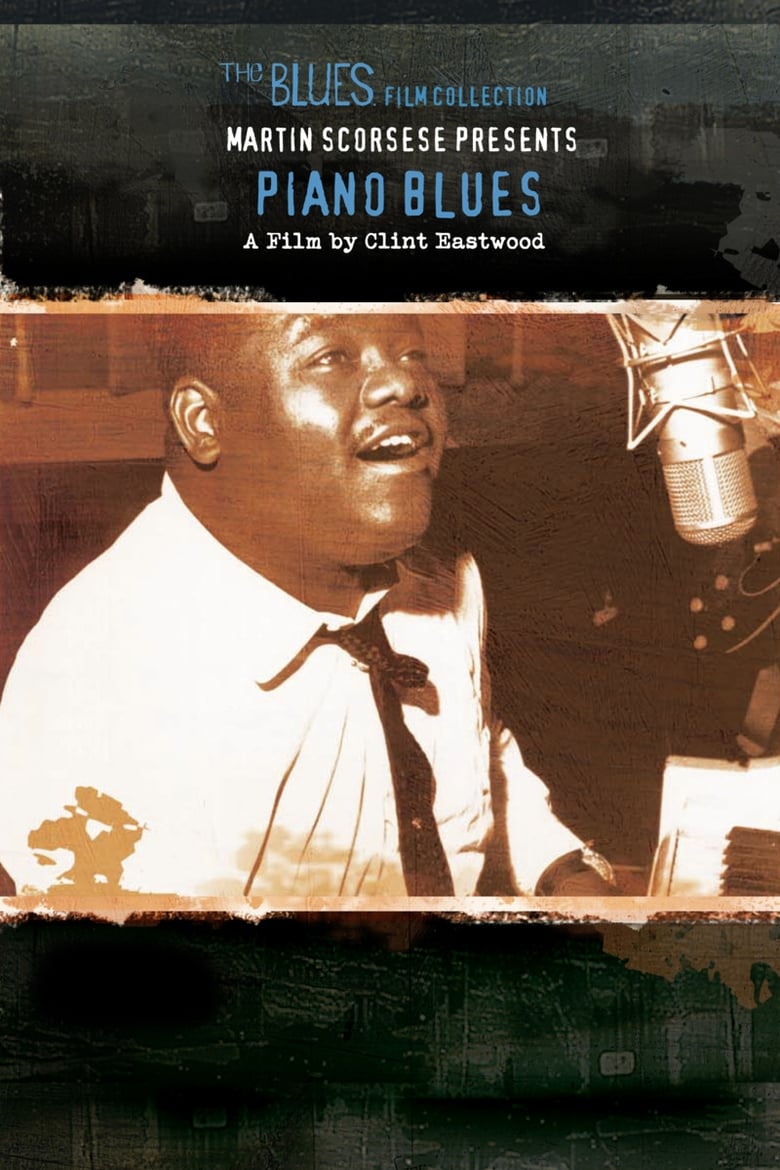
Director — and piano player — Clint Eastwood explores his life-long passion for piano blues, using a treasure trove of rare historical footage in addition to interviews and performances by such living legends as Pinetop Perkins and Jay McShann, as well as Dave Brubeck and Marcia Ball.
Overall Score
Fair
Category Breakdown
LGBTQ+ Representation
The film focuses on the technical and historical evolution of piano-based genres. There is no evidence of queer narratives or non-cisnormative identities within this musical framework.
Gender Representation
The narrative is heavily centered on a male-dominated musical tradition. While Marcia Ball and Dr. John provide breadth, the primary historical focus remains on male figures.
Racial & Ethnic Diversity
The documentary excels by centering Black musical excellence. It positions legends like Ray Charles and Muddy Waters as the primary architects of the American musical landscape.
Religious & Cultural Diversity
The film explores cultural heritage through artistic merit. It engages with themes of resilience in the blues without offering an overtly political critique of social structures.
Disability Representation
There is no specific evidence regarding the portrayal of visible or invisible disabilities within the film's historical and musical context.
Strengths
Areas for Improvement
AI Analysis
Piano Blues is a vital archival work that disrupts the traditional Anglo-centric musical canon. By centering Black artists as central narrative drivers rather than peripheral figures, the film grants significant agency to the architects of jazz and R&B. However, the documentary operates within a traditional framework that lacks engagement with contemporary identity politics. The focus remains strictly on musical history and technical mastery, leaving other social dimensions largely unexamined. While the film succeeds in its celebration of Black musicality, it maintains a gendered imbalance and lacks representation of LGBTQ+ or disability-related narratives.
1997
2023
2019
2014
2004

2016
2010

2014
2017

2018
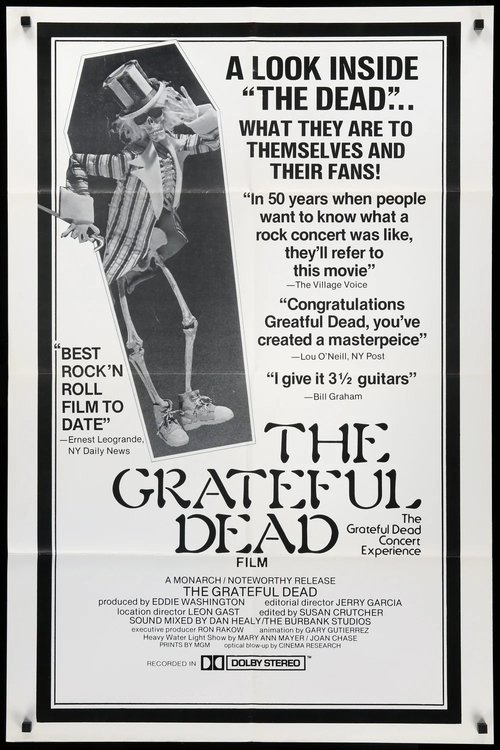
1977
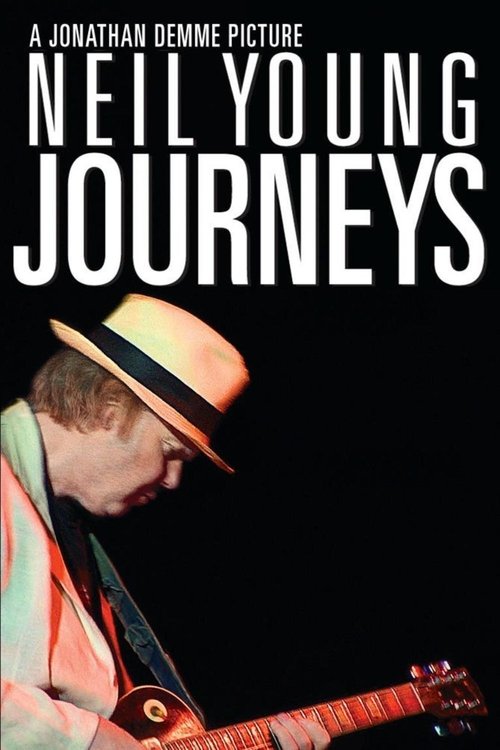
2012
No reviews yet. Be the first to share your thoughts on this movie!
Use the rating form above to leave a star rating and optional review.