The Loose Nut
1945
No user ratings available yet
Representation score: 0.5 out of 10
Representation Score
Minimal
1944
NRDirector
Shamus Culhane
Runtime
7 minutes
Average Rating
No ratings yetNew Showbiz Analysis
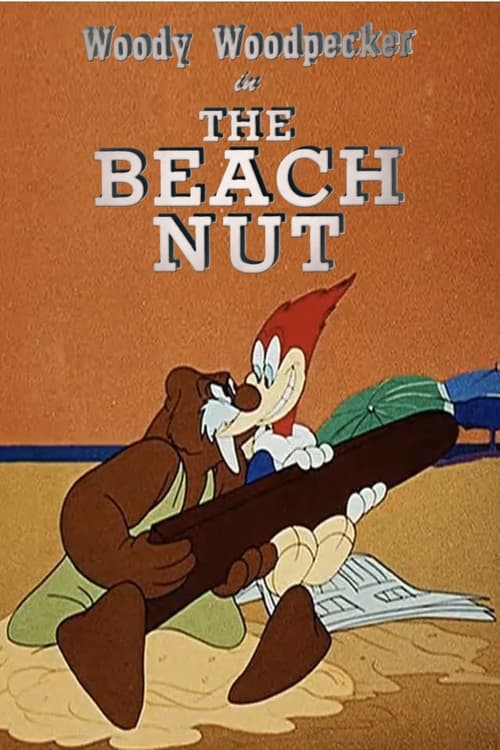
The Beach Nut is a classic mid-century animation that prioritizes energetic physical comedy over social or identity-based narratives. The conflict between Wally Walrus and Woody Woodpecker drives the plot through slapstick humor rather than complex character development. Representation is limited by the era's standards. Using anthropomorphic animals avoids human racial dynamics but fails to provide intentional ethnic or cultural diversity. The cast is overwhelmingly male-centric, lacking gender variety. Ultimately, the film exemplifies traditional animation of its time. It doesn't incorporate structural elements needed to engage with diverse identities or challenge established social norms.
Category Breakdown
The film doesn't include any clear representation of LGBTQ+ identities or queer themes. It sticks to traditional slapstick humor focused on well-known character types.
The story centers around physical conflicts between male characters. With no female characters, the film follows a traditional, male-dominated slapstick format.
Using anthropomorphic animals, the film avoids human racial dynamics but doesn't offer intentional ethnic or cultural diversity. The setting reflects a homogeneous, Western-centric comedic tradition typical of the 1940s.
The story emphasizes physical humor over ideological critiques or cultural themes. It fits within conventional, non-ideological entertainment standards of the mid-20th century.
There are no characters with physical or neurodivergent disabilities. The film doesn't address disability representation.
Present on Screen
Limited or Absent
Official Synopsis
A crowd gathers at the beach to witness vacationer Wally Walrus thrashing Woody Woodpecker. Wally explains, in flashback, why he is trying to rid himself of Woody.
1945
1961
1946
1945
1945
1938
1949
1952
No reviews yet. Be the first to share your thoughts on this movie!
Use the rating form above to leave a star rating and optional review.