Ski for Two
1944
No user ratings available yet
Representation score: 0.4 out of 10
Representation Score
Minimal
1945
NRDirector
Shamus Culhane
Runtime
7 minutes
Average Rating
No ratings yetNew Showbiz Analysis
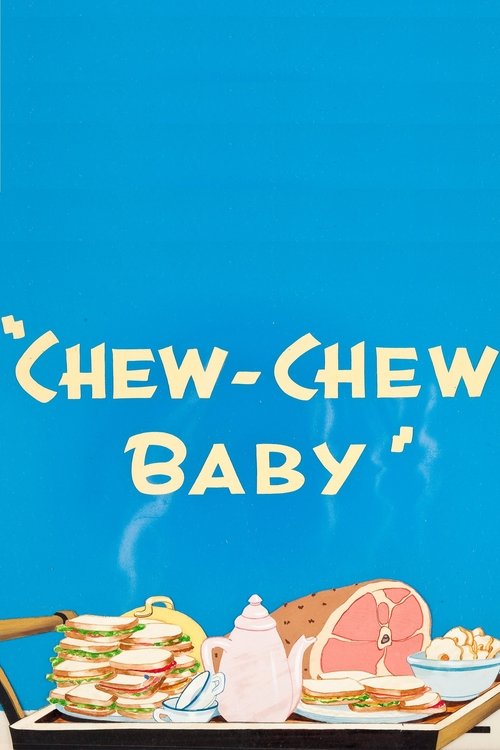
Chew-Chew Baby is a product of its 1945 era, relying on traditional slapstick clichés and character archetypes. The narrative centers on a deceptive scheme where Woody Woodpecker adopts a feminine persona to secure food from Wally Walrus. While the film briefly disrupts gender presentation for comedic effect, it does not challenge social norms. The lack of multi-layered depth or narrative disruption means the film remains a straightforward period comedy focused on character-driven mischief rather than social or cultural representation.
Category Breakdown
Woody Woodpecker dresses as a woman to deceive Wally Walrus, but this portrayal lacks genuine exploration of LGBTQ+ identity or critique.
Gender roles are used for comedic purposes, with Woody adopting a female persona primarily for trickery rather than challenging gender hierarchies.
The characters are anthropomorphic animals, and there is no evidence of racial or ethnic diversity in the story.
The story emphasizes individual mischief and personal satisfaction, avoiding broader institutional, religious, or socio-political themes in favor of slapstick humor.
There are no characters with visible or invisible disabilities featured in the film.
Present on Screen
Limited or Absent
Official Synopsis
Boarding house proprietor Wally Walrus takes out an ad in the local paper looking for a sweetheart. Woody Woodpecker reads this and decides he might be able to trick Wally out of some cooking if he dresses up like a girl and answers the ad.
1944
1948
1945
1949
1945
1954
1938
1939
No reviews yet. Be the first to share your thoughts on this movie!
Use the rating form above to leave a star rating and optional review.