
The Beach Nut
1944
No user ratings available yet
Representation score: 1.4 out of 10
Representation Score
Limited
1946
NRDirector
Shamus Culhane
Runtime
6 minutes
Average Rating
No ratings yetNew Showbiz Analysis
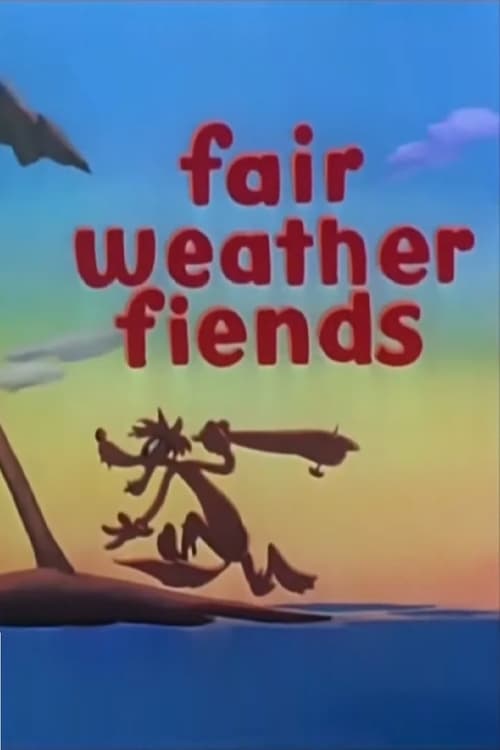
Fair Weather Fiends is a product of its historical era, prioritizing kinetic, slapstick humor over social commentary. The narrative relies on archetypal animal characters and survivalist clichés rather than identity-driven storytelling. The film lacks diverse representation, focusing instead on a primal conflict between two male-coded protagonists. This narrow focus results in a lack of gender, racial, or cultural complexity. Ultimately, the short functions as a standard comedic piece of mid-century animation, reflecting the period's emphasis on physical comedy rather than diverse character development.
Category Breakdown
The film focuses on a survivalist conflict between Woody Woodpecker and a wolf. There are no depictions of LGBTQ+ identities or same-sex relationships.
The story centers on a struggle between two male characters. It lacks meaningful roles for women and emphasizes a competitive masculine dynamic typical of 1940s slapstick.
As an animated short featuring anthropomorphic animals, the film does not address racial or ethnic diversity. The setting lacks the social complexity needed to explore these issues.
The narrative follows a standard survivalist framework. It offers no critiques of Western institutions, religion, or capitalism, sticking to traditional storytelling structures.
There is no indication of characters having visible or invisible disabilities. Physical struggles are shown as temporary consequences of being stranded on a deserted island.
Present on Screen
Limited or Absent
Official Synopsis
After a storm strands them on a deserted island, Woody Woodpecker and his wolf friend end up battling themselves in a quest to find food.
1944
1946
1935

1945

1945

1948
1945

1941
No reviews yet. Be the first to share your thoughts on this movie!
Use the rating form above to leave a star rating and optional review.