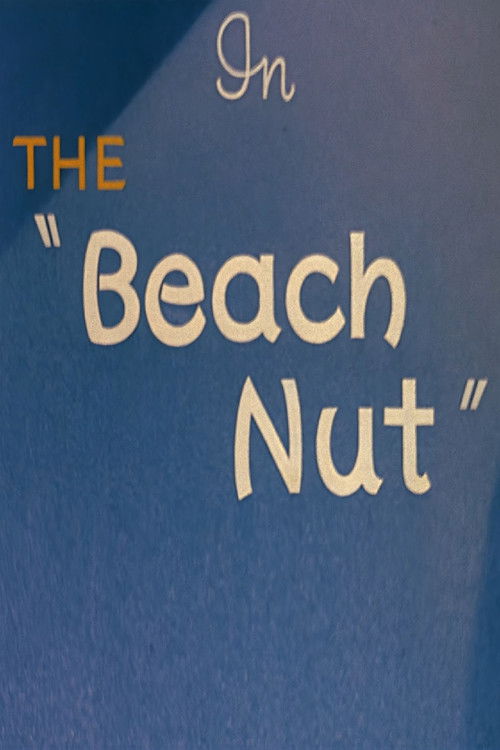
The Beach Nut
1944
No user ratings available yet
Diversity score: 2.5 out of 10

1942
Director
Norm McCabe
Runtime
7 minutes
Average Rating
No ratings yetSynopsis
Singing cowboy Daffy retires to the Painted Desert (still wet). He falls for an Indian maiden with a Brooklyn accent, but her very large boyfriend catches them. Daffy dresses in drag, which fools him for a while until Daffy's wig falls off. The boyfriend chases Daffy into the Petrified Forest (where Daffy freezes and breaks tomahawks). The Indian sends smoke signals from a phone booth and his tribe attacks Daffy, trapping him under his house trailer.
Overall Score
Limited
Category Breakdown
LGBTQ+ Representation
Gender-bending is used strictly as a comedic device for a temporary disguise. Daffy's drag performance functions as a visual gag rather than an exploration of identity.
Gender Representation
The film adheres to conventional 1940s dynamics. The female character serves as a romantic interest with secondary agency, while humor centers on male physical vulnerability.
Racial & Ethnic Diversity
The narrative relies on reductive ethnic caricatures, such as an Indigenous character with a Brooklyn accent. Tribal groups are depicted as monolithic antagonists.
Religious & Cultural Diversity
The setting utilizes Western frontier tropes like the Painted Desert. The film uses these archetypes as a baseline for humor rather than offering cultural critique.
Disability Representation
No characters are depicted with visible or invisible disabilities. Physical comedy involving Daffy breaking is categorized as slapstick violence.
Strengths
Areas for Improvement
AI Analysis
The film is a product of 1942 comedic conventions, relying heavily on established slapstick tropes and period-specific archetypes. It lacks intersectional depth, using identity-based elements primarily as tools for humor. Representation is largely regressive, utilizing ethnic caricatures and traditional gender hierarchies. The narrative reinforces historical patterns by positioning Indigenous groups as obstacles to the protagonist. Ultimately, the work functions within a traditional framework that prioritizes visual incongruity and absurdity over meaningful or progressive representation.
1944
1928
1936
1947
1937
1952
1946
1962
1937

1931
1954
1943
No reviews yet. Be the first to share your thoughts on this movie!
Use the rating form above to leave a star rating and optional review.