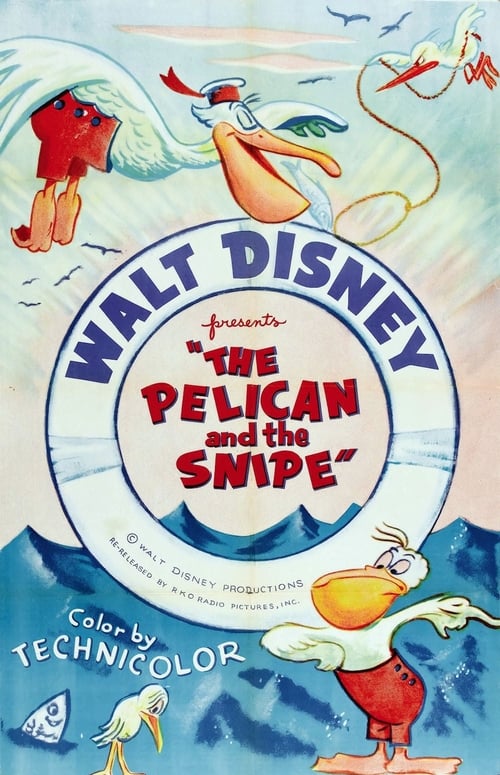
The Pelican and the Snipe
1944
No user ratings available yet
Representation score: 4.2 out of 10
Representation Score
Limited
1944
NRDirector
Jack King
Runtime
8 minutes
Average Rating
No ratings yetNew Showbiz Analysis
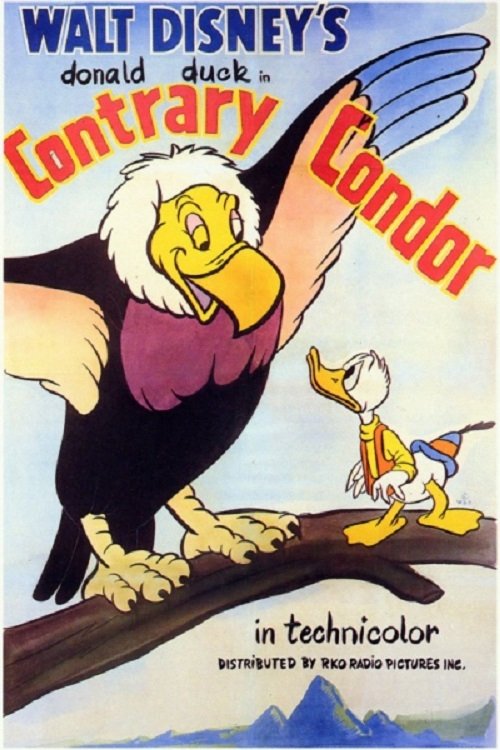
Contrary Condor is a classic example of mid-century studio animation, focusing on physical comedy rather than social commentary. The narrative centers on predator-prey and parent-child dynamics to drive its slapstick humor. Since the film uses anthropomorphic animals in a natural setting, it lacks human-centric identity markers. Characters operate as traditional comedic archetypes without exploring diverse representation. Overall, the film adheres to the established hierarchies of the 1940s, emphasizing universalized, non-political clichés without challenging social hierarchies.
Category Breakdown
The film includes a non-verbal interaction between Donald Duck and an animal. It does not feature any characters with LGBTQ+ identities or critiques of the assumption that everyone is straight or cisgender.
A mother condor is shown as a strong, protective figure. Donald Duck, on the other hand, is portrayed in a vulnerable position. These roles are framed through animal biology rather than social commentary.
The animation features anthropomorphic animals in a natural setting. There is no indication of racial blending or the use of species to represent ethnic diversity.
The story follows a typical slapstick structure focused on survival and mishaps. It avoids engaging with systemic critiques or the deconstruction of Western institutions.
The protagonist's struggles are presented as situational slapstick humor. There is no representation of physical or neurodivergent disabilities or lived experiences.
Present on Screen
Limited or Absent
Official Synopsis
Donald is trying to collect a condor's egg when the condor returns. He hides inside an empty egg and regrets this when the large, warm mother returns. He regrets it even more when he "hatches" and mama encourages him to fly. And mama proves to be even more protective than Donald would like.
1944
1936
1948
1938
1962
1948
1939
1941
No reviews yet. Be the first to share your thoughts on this movie!
Use the rating form above to leave a star rating and optional review.