
Hanoi, Tuesday 13th
1969
No user ratings available yet
Representation score: 4.5 out of 10
Representation Score
Fair
1975
Director
Santiago Álvarez
Runtime
122 minutes
Average Rating
No ratings yetNew Showbiz Analysis
Santiago Álvarez uses a sophisticated montage technique to challenge imperialist narratives and highlight the socio-political realities of the Global South. The film replaces Western-centric storytelling with a focus on systemic liberation and collective ability to act. While the film excels in racial and cultural representation, it lacks specific LGBTQ+ and disability narratives. The focus is on macro-political movements rather than individual identity politics.
Category Breakdown
The film does not include any identifiable LGBTQ+ identities or narratives within its archival footage.
The film centers women as active participants in the revolutionary struggle, depicting female soldiers and workers, but lacks detailed character studies.
The film provides exceptional focus on non-Western perspectives, rejecting the Western viewpoint by prioritizing the experiences of Southeast Asian populations.
This work offers a profound critique of Western hegemony and capitalist expansionism, celebrating the struggles of the peasantry and working class through an anti-imperialist lens.
Due to the documentary and montage nature of the film, there is insufficient evidence to assess the representation of disability.
Present on Screen
Limited or Absent
Official Synopsis
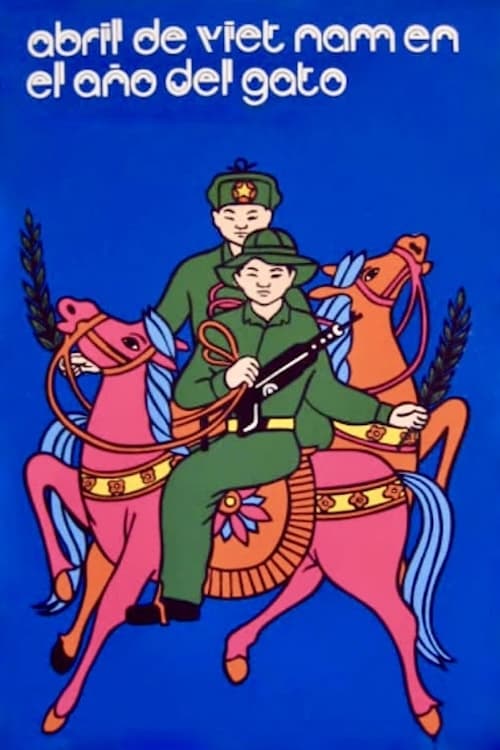
Documentary film on the end of the Vietnam War, the fall of Saigon and the departure of American troops, as well as a tracing of 4000 years of Vietnamese culture.
1969
2012

1966

1994
2018

2015

1969
1967
No reviews yet. Be the first to share your thoughts on this movie!
Use the rating form above to leave a star rating and optional review.