
Tropic of Cancer
1970
No user ratings available yet
Representation score: 7.7 out of 10
Representation Score
Good
1990
Director
Claude Chabrol
Runtime
116 minutes
Average Rating
No ratings yetNew Showbiz Analysis
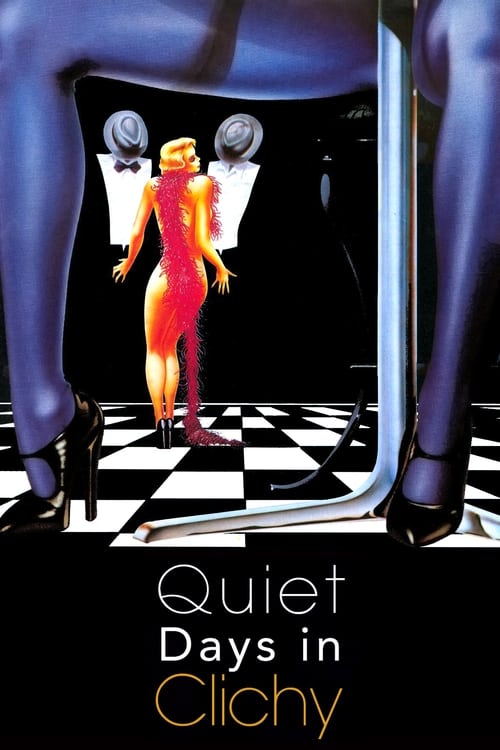
Claude Chabrol employs psychological realism to challenge conventional morality. By using a fragmented, postmodern lens, he prioritizes personal experience over rigid social structures. The film normalizes diverse sexualities and women's ability to drive the story, moving away from traditional cinematic clichés. It treats human connections as relative experiences rather than absolute moral judgments. While the film captures the modern urban environment, it does not delve deeply into the intersection of ethnicity and class. The focus remains on the psychological and erotic lives of the characters.
Category Breakdown
The film portrays a range of sexual orientations as a natural part of city life. It avoids separating non-straight relationships from everyday interactions in Clichy.
Women are shown as active participants in their social and romantic lives, rather than passive objects. The narrative emphasizes their autonomy and challenges traditional gender roles.
The cast includes a variety of characters representing different social classes in Paris. While the film highlights individual stories, it does not deeply explore the intersection of ethnicity and class.
The film presents social issues through a secular perspective, avoiding the promotion of specific religious values. It views social transgressions as part of urban life rather than moral failures.
The film does not significantly address visible or invisible disabilities in its portrayal of characters.
Present on Screen
Limited or Absent
Official Synopsis
Expatriate Henry Miller indulges in a variety of sexual escapades while struggling to establish himself as a serious writer in Paris.
1970

1991
1970

1984
1959

2000

1994

1976
No reviews yet. Be the first to share your thoughts on this movie!
Use the rating form above to leave a star rating and optional review.