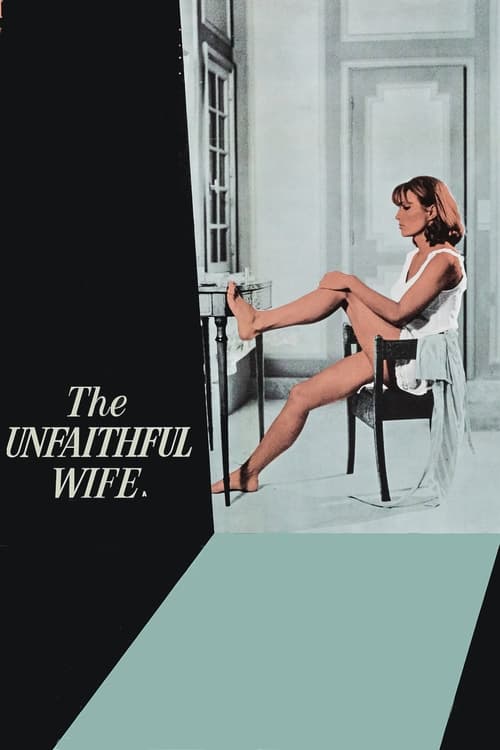
The Unfaithful Wife
1969
No user ratings available yet
Representation score: 2.8 out of 10
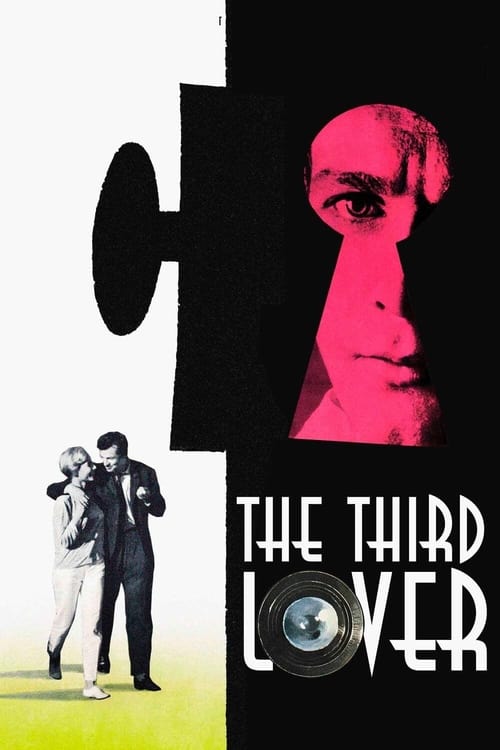
Representation Score
Fair
1962
Director
Claude Chabrol
Runtime
80 minutes
Average Rating
No ratings yetNew Showbiz Analysis
Claude Chabrol’s film serves as a sophisticated critique of bourgeois social structures. Despite its limited demographic scope, it offers depth through psychological complexity and challenges to traditional social norms. The narrative emphasizes the breakdown of the family unit over the stability of the patriarchal household. This intellectual approach keeps the film culturally subversive even without diverse representation. Ultimately, the film excels in its critique of social hierarchies, though it falls short in representing diverse identities.
Category Breakdown
The story revolves around heterosexual relationships and conflicts between characters. There is no indication of LGBTQ+ identities or non-traditional gender expressions.
Hélène drives the plot by challenging traditional gender roles and asserting her independence. The story shifts power away from the established male authority through an outsider character.
The film seems to depict a homogeneous European society typical of the 1960s. There is no evidence of diverse ethnicities or multi-layered casting.
The film questions Western bourgeois institutions through moral ambiguity. Seduction and betrayal are central themes, avoiding traditional moral frameworks.
There is no mention of characters dealing with physical, neurological, or mental health conditions.
Present on Screen
Limited or Absent
Official Synopsis
On a work assignment in Germany, failed journalist Albin crosses paths with Andreas, a successful writer, and his wife Hélène, who quickly becomes the apple of Albin’s eye. While Andreas is off on a business trip, Albin tries to seduce Hélèn and, eventually, take over Andreas’ life.
1969

1969
1973

1981
1975

1956

1954

1961
No reviews yet. Be the first to share your thoughts on this movie!
Use the rating form above to leave a star rating and optional review.