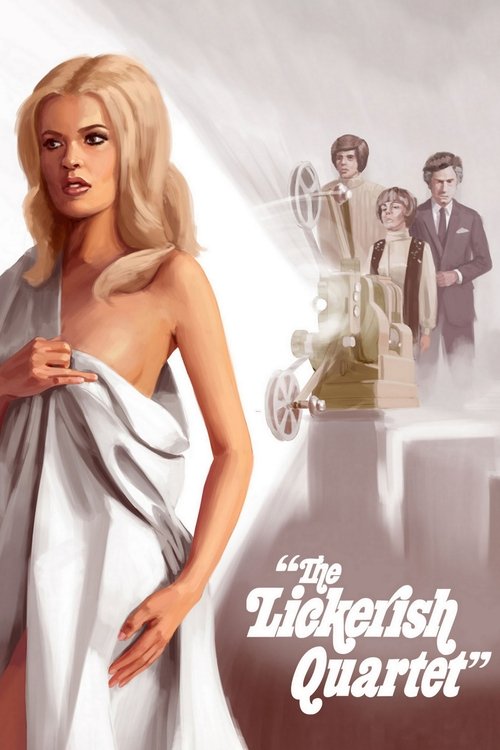
The Lickerish Quartet
1970
No user ratings available yet
Diversity score: 5.1 out of 10
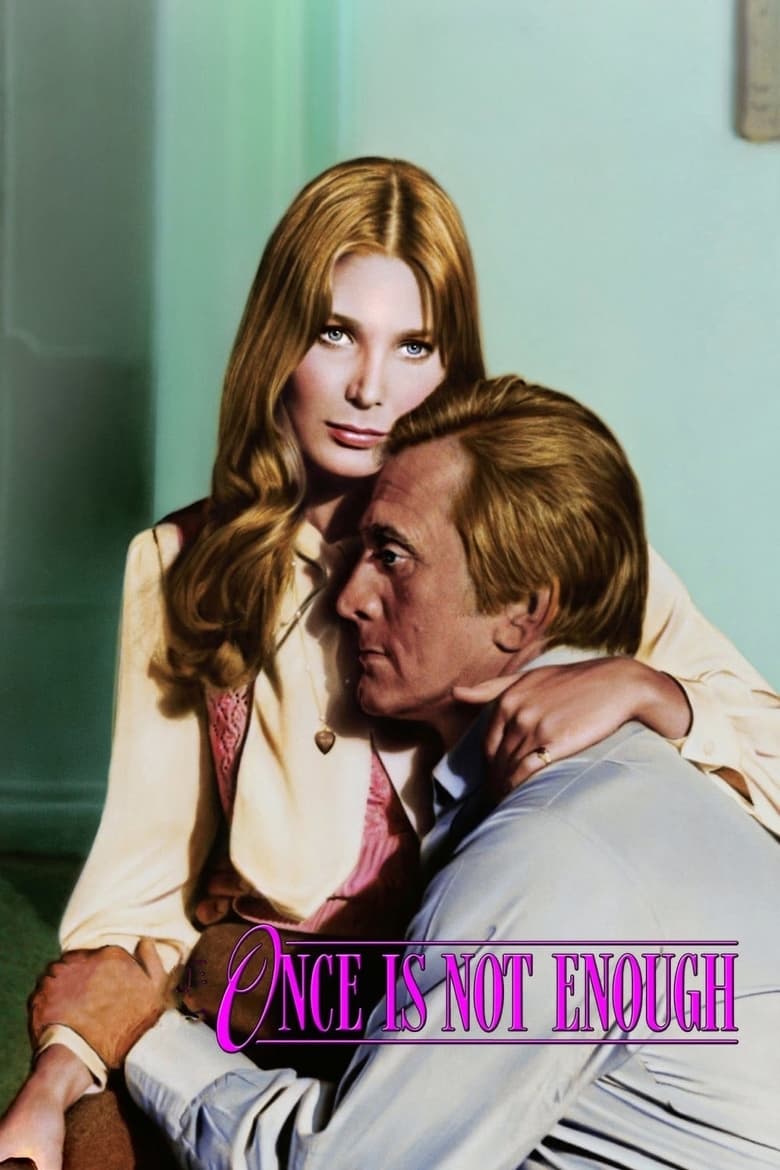
1975
RDirector
Guy Green
Runtime
121 minutes
Average Rating
No ratings yetSynopsis
An over-the-hill movie producer marries a wealthy, spiteful woman and closeted lesbian just to please his spoiled daughter who then, in an attempt to spite him, seduces both a wealthy playboy and a local screenwriter.
Overall Score
Fair
Category Breakdown
LGBTQ+ Representation
The female lead is a closeted lesbian, adding complexity to the social hierarchy. However, the depiction lacks explicit queer agency or celebratory elements.
Gender Representation
The film centers on female agency through sexual pursuit and romantic manipulation. Women are portrayed as active participants rather than passive recipients of male attention.
Racial & Ethnic Diversity
The cast is predominantly white, reflecting the homogeneous social stratum of a 1930s English estate. There is no evidence of intentional racial diversification.
Religious & Cultural Diversity
The narrative critiques traditional Western institutions like marriage through themes of infidelity and decadence. It explores moral relativism within the upper class.
Disability Representation
There is no discernible representation of physical, sensory, or neurodivergent identities in the film.
Strengths
Areas for Improvement
AI Analysis
Once Is Not Enough serves as a transitional drama that deconstructs mid-century social decorum. It finds its strength in subverting traditional gender roles, presenting women who actively navigate and manipulate their romantic lives to assert autonomy. While the film introduces nuanced layers of identity, such as a closeted lesbian lead, it remains tethered to a traditionalist casting paradigm. The setting is a homogeneous, upper-class English estate that lacks racial or ethnic diversity. Ultimately, the film's focus on sexual politics and the breakdown of monogamous hierarchies provides a progressive edge, even as it remains rooted in a narrow socioeconomic framework.
1970
2018
1970
1969
1968
1997
1959

1977
1971
1986
1998
1975
No reviews yet. Be the first to share your thoughts on this movie!
Use the rating form above to leave a star rating and optional review.