Admiral Dewey Leading Land Parade, No. 2
1899
No user ratings available yet
Representation score: 0.3 out of 10
No Poster Available
Representation Score
Minimal
1898
Runtime
1 minutes
Average Rating
No ratings yetNew Showbiz Analysis
Sleighing Scene serves as a historical snapshot of urban leisure in 1898 New York. It functions as an observational archival record rather than a narrative work, which limits its capacity for complex character development or intentional representation. The film reflects the demographic homogeneity and social hierarchies of the late 19th century. It captures a specific class of people participating in organized public recreation, emphasizing wealth and status through horse-drawn carriages. Because the footage focuses on a celebratory view of established social norms, it lacks the diversity or subversion required to address underrepresented identities, disabilities, or non-traditional social structures.
Category Breakdown
The film does not depict any queer identities or structures that go beyond the assumption that everyone is straight. The term 'gay carnival' refers to the era's sense of merriment rather than sexual orientation.
Women are shown among the pedestrians, but the focus remains on displaying wealth and social status. The footage reinforces traditional 19th-century patriarchal structures of mobility.
The footage depicts a homogeneous group reflecting the upper-middle-class social norms of the 1890s. There is no visible evidence of racial diversity or characters of color.
This work celebrates late-Victorian leisure and Western urbanity. It reinforces established social orders and public decorum without critiquing Western institutions or traditional social structures.
There is no discernible representation of individuals with physical or neurodivergent disabilities. The subjects are presented as able-bodied participants in a social parade.
Present on Screen
Limited or Absent
Official Synopsis
A view taken on the West Side drive in Central Park. Shows a continuous stream of handsome rigs and turnouts passing in both directions. Pedestrians watch the gay carnival.
1899
1902
1909
1895
1899
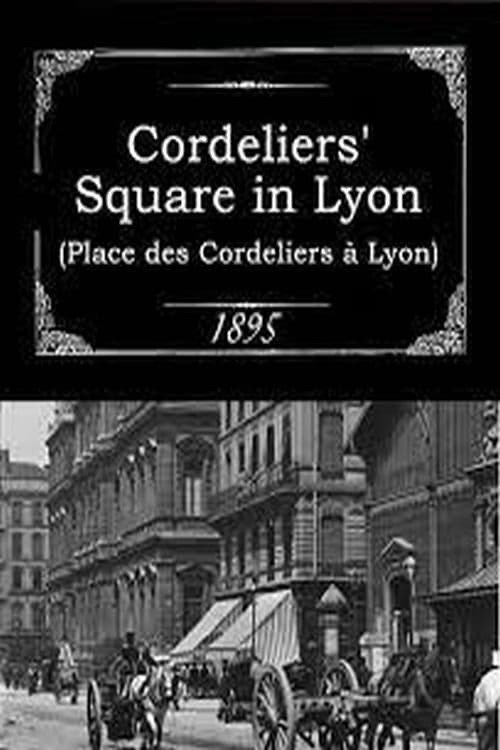
1895
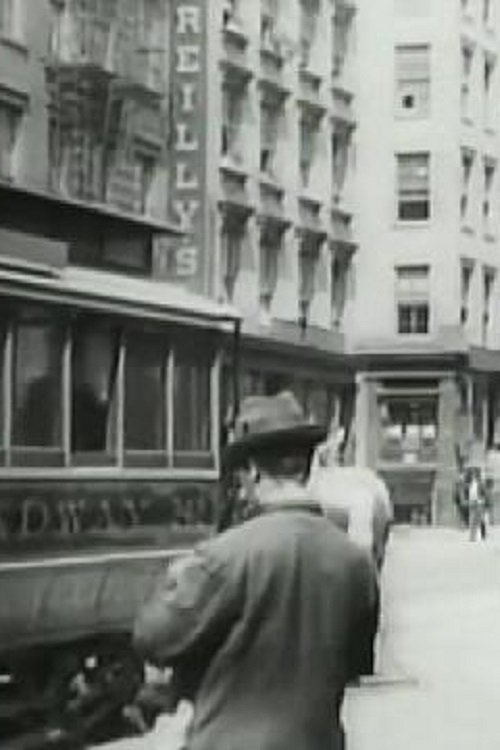
1896
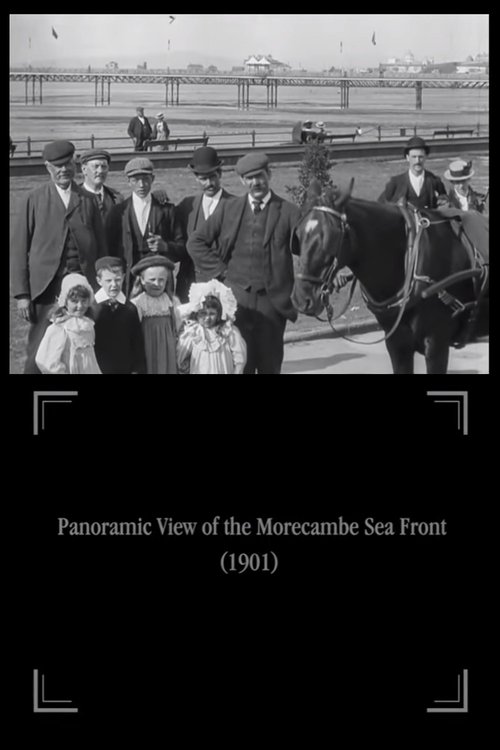
1901
No reviews yet. Be the first to share your thoughts on this movie!
Use the rating form above to leave a star rating and optional review.