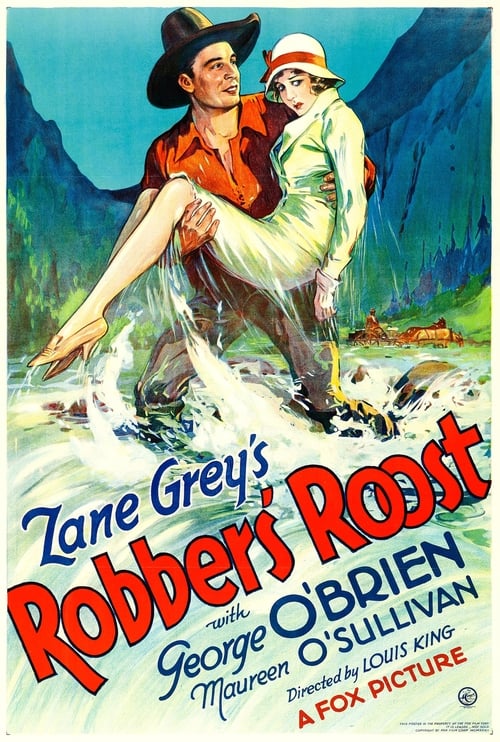
Robbers' Roost
1932
No user ratings available yet
Representation score: 0.5 out of 10
No Poster Available
Representation Score
Limited
1926
PassedDirector
John B. O'Brien
Runtime
21 minutes
Average Rating
No ratings yetNew Showbiz Analysis
Mountain Molly O' is a quintessential 1920s Western that finds its strength in gender subversion. By having Molly Mallory disguise herself to gain professional control, the film provides a rare moment of female physical competence and leadership for the era. However, the film remains deeply rooted in the demographic limitations of its time. The lack of racial, ethnic, or LGBTQ+ representation keeps the narrative within a very narrow, homogeneous scope typical of early action-adventure cinema. Ultimately, while the protagonist's gender-bending performance offers a refreshing departure from passive female roles, the film lacks the depth needed for a higher diversity score.
Category Breakdown
The film does not explicitly depict LGBTQ+ identities or relationships outside of heterosexuality. Molly's use of a masculine disguise serves as a plot device rather than an exploration of queer identity.
Molly Mallory challenges traditional gender roles by adopting a male persona to work on a ranch. She demonstrates physical competence and leads the rescue mission, going beyond the passive female roles common in the era.
The narrative focuses on interpersonal ranch conflicts within a Western setting. There is no evidence of a diverse or non-Anglo-Saxon cast, reflecting the homogeneous demographics common in 1920s Westerns.
The story relies on standard Western motifs like frontier justice and individual heroism. It operates within a traditional moral framework without critiquing Western institutions or exploring diverse cultural perspectives.
No characters are identified as having visible or invisible disabilities within the available narrative description.
Present on Screen
Limited or Absent
Official Synopsis
"Molly Mallory put on a black wig, poses as a man and gets a job on Ted Riley's ranch. Ted catches some of his cowhand getting drunk one time too many and fires them. They jump on Ted but Molly, posing as a man, tosses a lasso on them and runs them off. The next morning, Kathleen and T. Edgerton go to town to pick up the ranch payroll. Edgerton, in order to restore himself to Kathleen's good graces, hires the three fired cowhands to hold them up so he can be a hero and run them away. But they double-cross him, take the money and kidnap Kathleen. But Molly rides to the rescue."
1932
1932
1926
1924
1928
1936

1937

1926
No reviews yet. Be the first to share your thoughts on this movie!
Use the rating form above to leave a star rating and optional review.