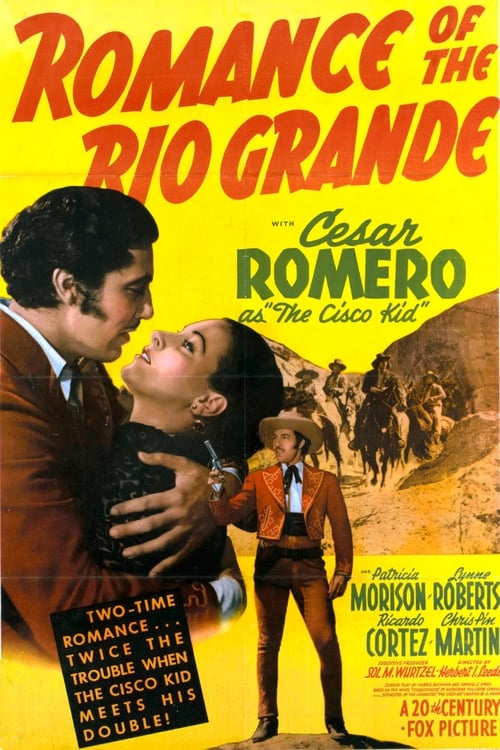
Romance of the Rio Grande
1941
No user ratings available yet
Representation score: 1.9 out of 10
Representation Score
Limited
1947
PG-13Director
Christy Cabanne
Runtime
56 minutes
Average Rating
No ratings yetNew Showbiz Analysis
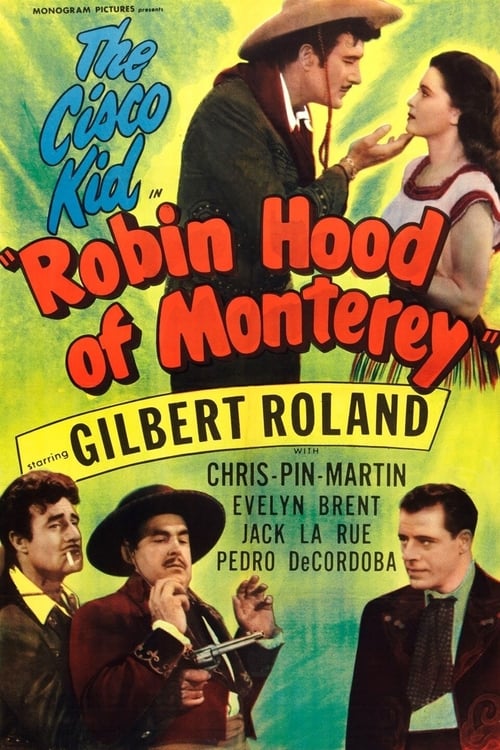
Robin Hood of Monterey is a traditional 1947 Western that relies heavily on mid-century genre clichés. While it deviates from the era’s Anglo-centric norms by featuring Mexican-American protagonists, it remains socially conservative in its themes. The film grants significant influence to characters of color, particularly the Cisco Kid and Pancho, who navigate a conventional hero-villain dynamic rather than challenging social hierarchies. Gender and LGBTQ+ representation are minimal, adhering to the period’s focus on straight-centered romantic melodrama. The narrative prioritizes individual justice over broader explorations of diverse identities.
Category Breakdown
The film does not include any LGBTQ+ characters or themes.
Women in the film mainly serve as catalysts for melodrama and conflict, while men hold positions of authority and protection.
The film centers Mexican-American characters and settings, providing more ethnic diversity compared to typical Anglo-centric Westerns.
The story emphasizes personal morality and family conflicts, but does not critically examine broader societal or cultural institutions.
There are no visible or invisible disabilities among the main characters.
Present on Screen
Limited or Absent
Official Synopsis
Eduardo Belmonte overhears his new step-mother, Maria, and her lover, Don Ricardo Gonzales plotting to take over the Belmonte rancho on the night of the fiesta given by her husband, Don Carlos Belmonte. Eduardo offers Maria money if she will depart the hacienda premises, but she refuses and then accuses Eduardo of making love to her. The old Don doesn't take kindly to his son hitting on his step-mother and attacks him in a rage. The lights go out, the father is killed and Maria blames Eduardo, who escapes from the house, chased by Ricardo's men. The Cisco Kid and Pancho rescue Eduardo, who has been shot, and hide him while they investigate. Cisco discovers that bullets from Maria's gun, a handy little derringer, are the same type that killed Don Carlos. But the Alcalde arrests Cisco and Pancho, and Cisco is "supposedly" executed by a firing squad, but IS NOT shot and escapes by a trick. And now Maria and Ricardo are in real trouble with Cisco on the loose.
1941

1968
1938
1940
1957

1954
1931

1957
No reviews yet. Be the first to share your thoughts on this movie!
Use the rating form above to leave a star rating and optional review.