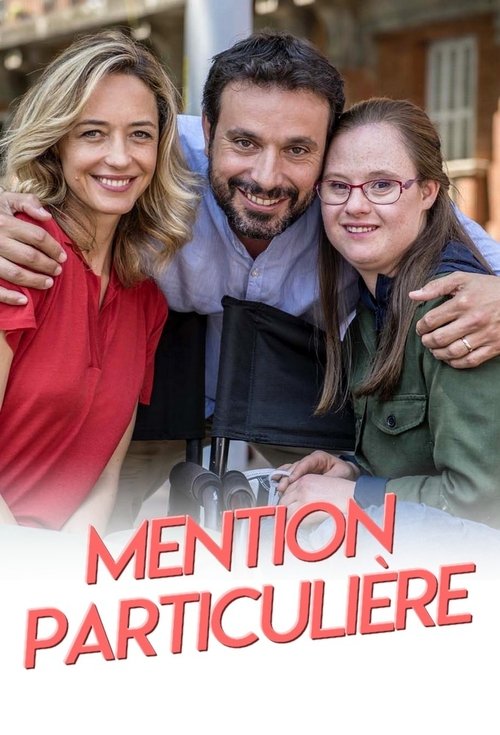
Mention particulière
2017
No user ratings available yet
Diversity score: 6.1 out of 10
1972
Director
Alan Clarke
Runtime
90 minutes
Average Rating
No ratings yetSynopsis
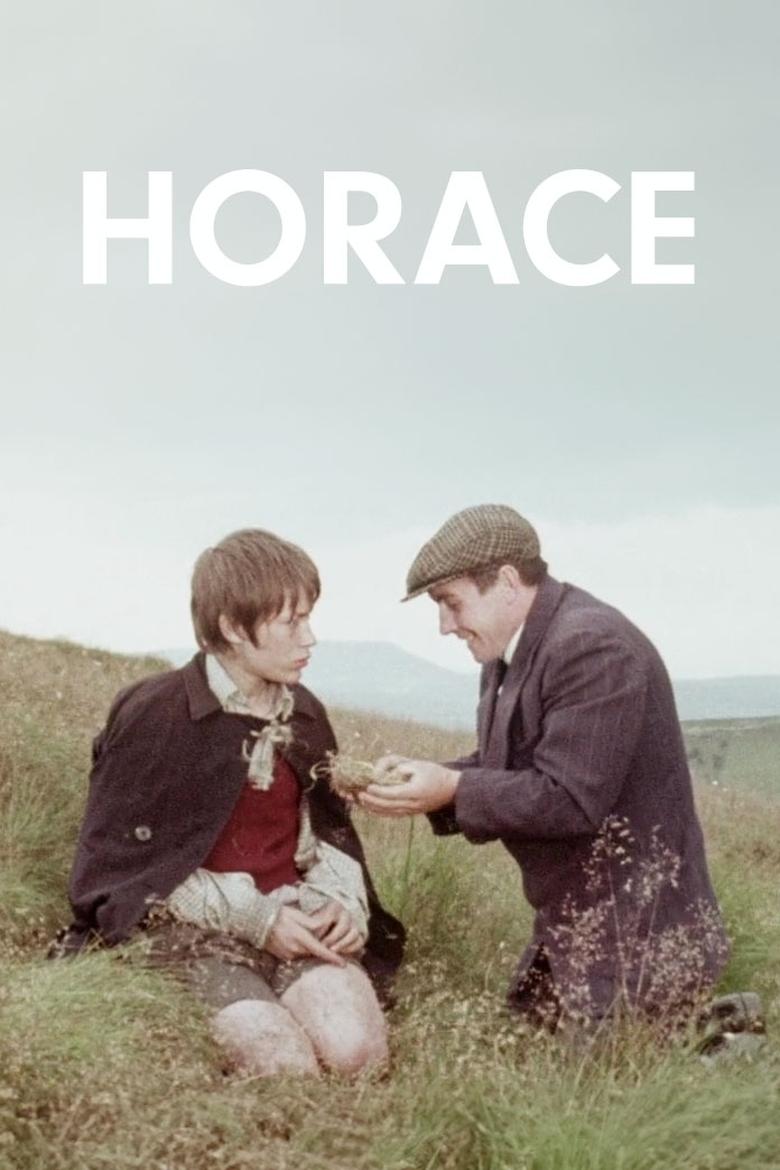
In Yorkshire, intellectually disabled diabetic Horace works in the back of a joke shop. He befriends loner schoolboy Gordon Blackett, who retreats from his loveless home into an imaginary world.
Overall Score
Fair
Category Breakdown
LGBTQ+ Representation
The film lacks explicit confirmation of LGBTQ+ identities or non-heteronormative characters. However, the focus on loners and characters retreating into imaginary worlds suggests a narrative interest in those outside social norms.
Gender Representation
The story centers on the male experiences of Horace and Gordon. While the lens is traditionally gendered, the critique of a loveless home disrupts conventional depictions of stable domesticity.
Racial & Ethnic Diversity
Set in Yorkshire, the film appears to focus on a predominantly white, working-class demographic. There is no evidence of a multi-ethnic or diverse cast within the provided context.
Religious & Cultural Diversity
The work challenges traditional institutions by centering on marginalized figures. It critiques the sanctity of the nuclear family, framing domesticity as a site of emotional vacancy.
Disability Representation
The film provides strong representation by centering on Horace, a character with diabetes and learning disabilities. It integrates neurodivergence into the protagonist's core identity and agency.
Strengths
Areas for Improvement
AI Analysis
Alan Clarke’s social realism provides a platform for exploring the fringes of British society. By focusing on neurodivergent protagonists and social outsiders, the film moves away from mainstream success stories to highlight systemic isolation. The narrative excels in disability representation, treating Horace's condition as a central element of his identity rather than a secondary plot device. This approach avoids typical tropes in favor of nuanced character study. However, the film lacks visible racial or LGBTQ+ diversity. The focus remains heavily on a specific, white, working-class regional experience, which limits its broader cultural breadth.
2017
1980

1981
1983
1988
1975
No reviews yet. Be the first to share your thoughts on this movie!
Use the rating form above to leave a star rating and optional review.