Horace
1972
No user ratings available yet
Diversity score: 5.6 out of 10
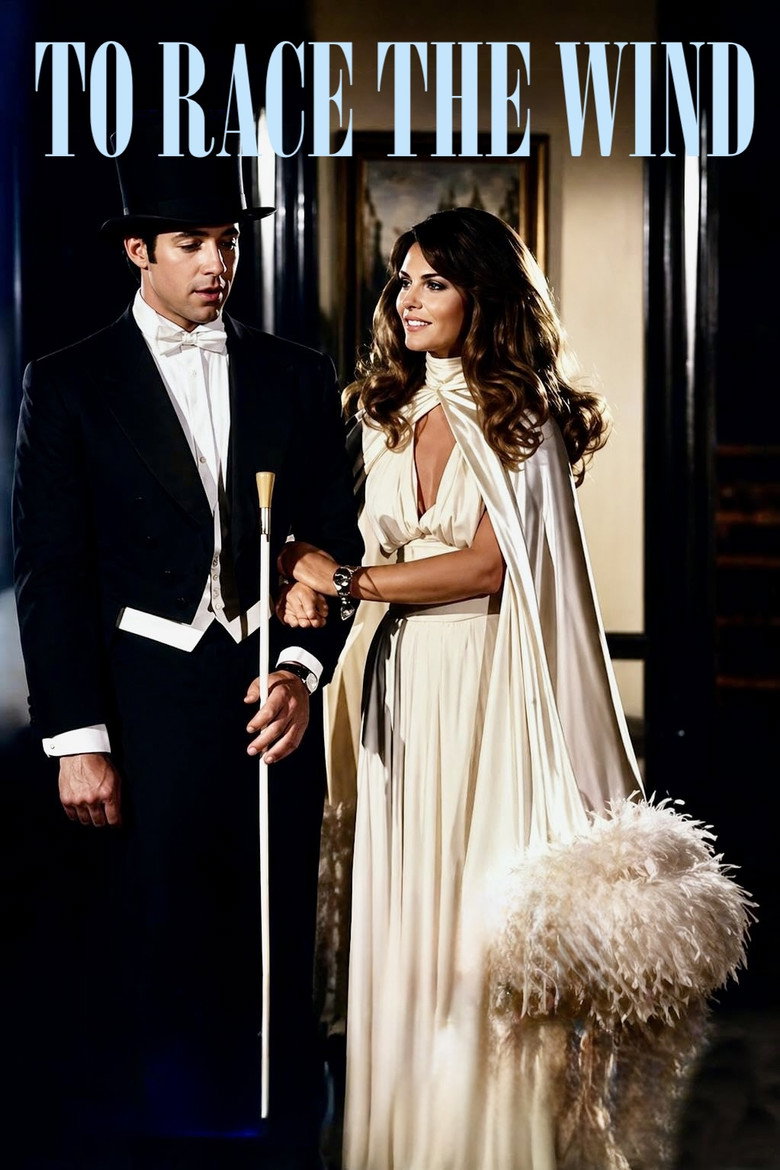
1980
Director
Walter Grauman
Runtime
97 minutes
Average Rating
No ratings yetSynopsis
A lighthearted dramatization of the autobiography of Harold Krents, a blind Harvard Law School student trying to make his way in a sighted world.
Overall Score
Fair
Category Breakdown
LGBTQ+ Representation
The film adheres to the social conventions of 1980, offering no evidence of non-cisnormative identities or same-sex intimacy. The focus remains strictly on the protagonist's personal journey of adaptation.
Gender Representation
The story centers on a male protagonist's intellectual struggles within traditional mid-20th-century structures. Female characters lack significant agency or roles that disrupt conventional patriarchal hierarchies.
Racial & Ethnic Diversity
The narrative focuses on a homogeneous academic milieu at Harvard Law School. There is no evidence of a non-Anglo-Saxon majority cast or diverse casting intended to challenge historical norms.
Religious & Cultural Diversity
As a biographical drama, the film emphasizes individual perseverance and success within established Western institutions. It lacks critiques of Western frameworks or systemic deconstruction.
Disability Representation
The film provides meaningful representation by centering on a character with visual impairment. It avoids tragic tropes by highlighting the protagonist's agency and intellectual capacity.
Strengths
Areas for Improvement
AI Analysis
To Race the Wind succeeds as a nuanced portrayal of disability, moving beyond passive tropes to show a protagonist navigating the world through intellect and agency. By focusing on Harold Krents' pursuit of a law degree, the film grants him significant capability. However, the film is limited by the social and demographic norms of its era. The narrative operates within traditional hierarchies, focusing on individual achievement within established institutions rather than questioning them. Overall, while the disability representation is a clear strength, the lack of racial, gender, and LGBTQ+ diversity results in a narrow social scope.
1972

2017
1975

2011
No reviews yet. Be the first to share your thoughts on this movie!
Use the rating form above to leave a star rating and optional review.