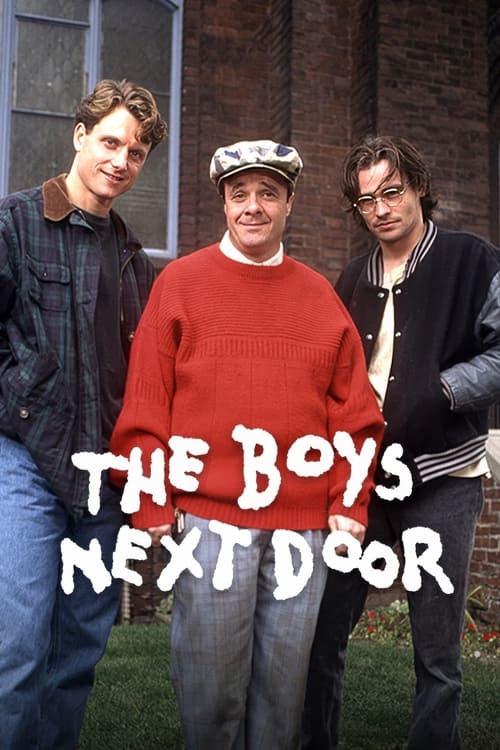
The Boys Next Door
1996
No user ratings available yet
Diversity score: 3.7 out of 10
1975
Director
Alan Clarke
Runtime
93 minutes
Average Rating
No ratings yetSynopsis
Alan Wellbeck is a nurse in a mental hospital. His day-to-day struggles with personal feelings and troubled patients provide humour and pathos against the backdrop of a public institution.
Overall Score
Fair
Category Breakdown
LGBTQ+ Representation
The film lacks explicit evidence of queer identities or non-heteronormative characters. While the 1975 setting could facilitate such themes, no specific representation is confirmed.
Gender Representation
The story centers on a male protagonist, creating a patriarchal focal point. However, the psychiatric setting implies a complex presence of female staff and patients.
Racial & Ethnic Diversity
There is no visible evidence of racial or ethnic diversity within the cast or patient population. The film appears to reflect the demographic norms of its era.
Religious & Cultural Diversity
The narrative offers a critique of institutional power and Western medical authority. It explores the tension between individual agency and systemic control within a psychiatric ward.
Disability Representation
Mental health and neurodivergence are central to the film's architecture. The focus on psychiatric care places the lived experience of disability at the heart of the story.
Strengths
Areas for Improvement
AI Analysis
Funny Farm is a character-driven study that finds its strength in its thematic focus on mental health and institutional dynamics. By centering the narrative on a psychiatric ward, the film provides a platform for examining the friction between individuals and systemic structures. However, the film lacks clear evidence of racial, ethnic, or LGBTQ+ diversity. The narrative's reliance on a male protagonist also limits the breadth of its gender representation, leaning toward a traditional patriarchal perspective. Ultimately, the work succeeds as a critique of medicalized behavior and institutional control, even if it lacks a diverse demographic tapestry.
No reviews yet. Be the first to share your thoughts on this movie!
Use the rating form above to leave a star rating and optional review.