Up for Murder
1931
No user ratings available yet
Representation score: 0.4 out of 10
Representation Score
Minimal
1931
PassedDirector
Frank R. Strayer
Runtime
59 minutes
Average Rating
No ratings yetNew Showbiz Analysis
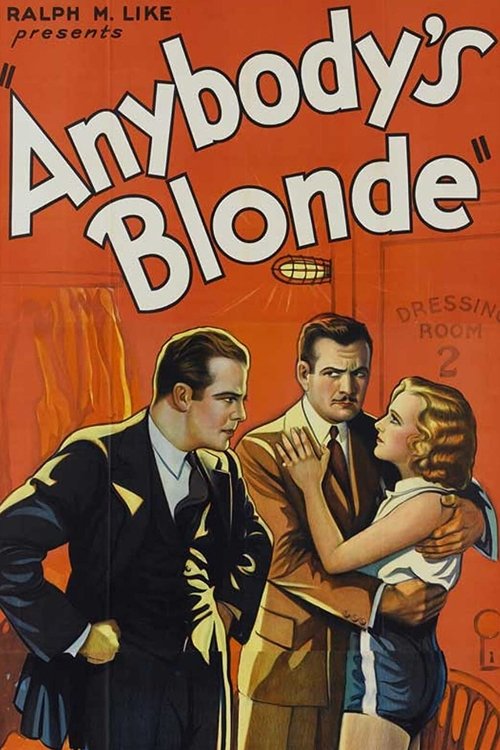
Anybody's Blonde is a conventional crime drama that reflects the rigid social hierarchies of the Pre-Code era. The plot relies on standard genre clichés, such as a reporter framing a woman for murder, which reinforces traditional power dynamics rather than subverting them. The film lacks visible evidence of diverse representation. The narrative architecture appears built around established social institutions and homogeneous casting typical of 1931 studio productions. Ultimately, the film functions as a standard period piece. It prioritizes genre-driven storytelling over any intentional exploration of diverse identities or systemic critiques.
Category Breakdown
The film does not include any characters with non-straight sexual orientations or non-cisgender identities. It adheres to the traditional romantic and gendered expectations typical of the early 1930s.
A female nightclub owner demonstrates professional control by owning a business. However, the plot centers on her being framed by a male reporter, suggesting vulnerability to male-driven pressures.
The narrative focuses on a localized crime drama involving a boxer and a reporter. There is no evidence of diverse casting or the disruption of Anglo-centric norms.
The story operates within established social and legal institutions. It lacks themes that challenge Western or secularist frameworks, following standard early 20th-century moral structures.
There is no information available regarding the portrayal of characters with physical or neurodivergent disabilities.
Present on Screen
Limited or Absent
Official Synopsis
When a boxer is murdered a newspaper reporter tries to frame the boxer's sister, a nightclub owner, for the crime.
1931
1929
1934
1936
1936
1935

1931
1932
No reviews yet. Be the first to share your thoughts on this movie!
Use the rating form above to leave a star rating and optional review.