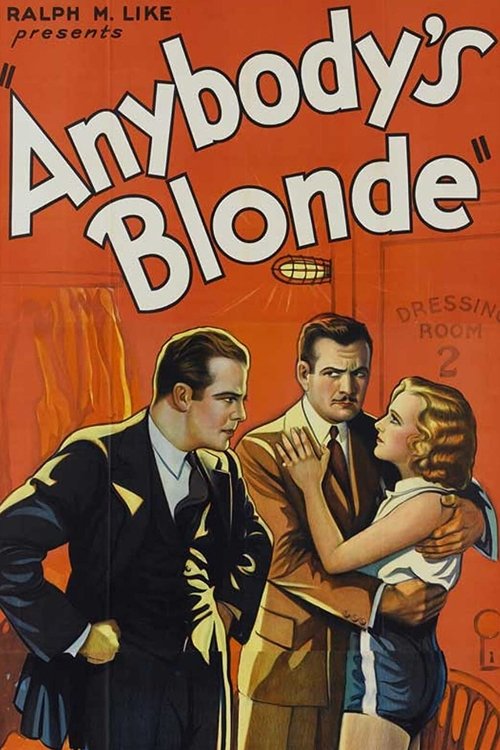
Anybody's Blonde
1931
No user ratings available yet
Representation score: 1.4 out of 10
Representation Score
Limited
1929
PassedRuntime
60 minutes
Average Rating
No ratings yetNew Showbiz Analysis
Queen of the Night Clubs features a protagonist who breaks early 20th-century domestic molds by commanding a commercial enterprise. However, the film remains tied to traditional dramatic conventions. The central conflict relies on a murder frame-up, a cliché that prioritizes heightened melodrama over a meaningful subversion of social hierarchies. Ultimately, the film lacks the depth required for a higher score due to its lack of representation of racial, disability, or LGBTQ+ identities.
Category Breakdown
The film does not include any explicit representation of LGBTQ+ identities. The plot revolves around professional rivalry rather than narratives that challenge traditional sexual norms.
A female protagonist holds significant economic power as a nightclub owner. This provides a rare departure from domestic roles, though the murder plot follows standard melodramatic clichés.
There is no information regarding the presence of non-white characters. The nightclub setting implies social variety, but specific racial dynamics remain unverified.
The setting suggests a secular, urban lifestyle centered on nightlife. The narrative focuses on individual morality and legal justice rather than systemic or religious critiques.
The story contains no mention of characters with physical, sensory, or neurodivergent experiences.
Present on Screen
Limited or Absent
Official Synopsis
Irked by the success of a brassy nightclub owner. her rivals set out to drive her out of business, and frame her for a murder in the bargain.
1931

1939
1932
1937
1928
1931
1927
1932
No reviews yet. Be the first to share your thoughts on this movie!
Use the rating form above to leave a star rating and optional review.