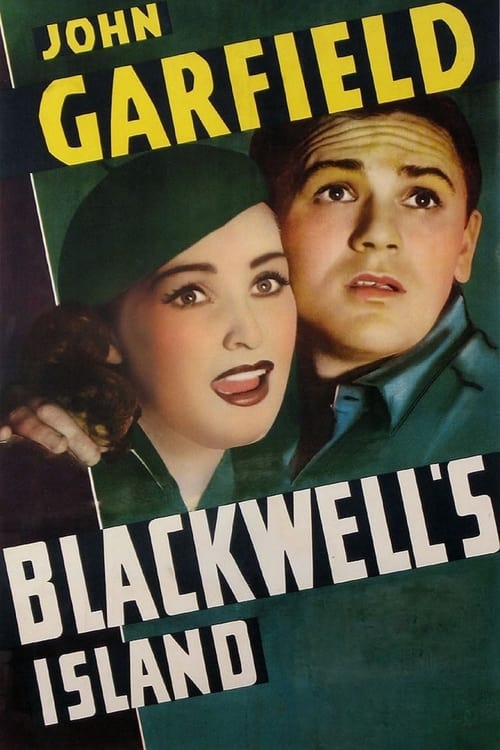
Blackwell's Island
1939
No user ratings available yet
Representation score: 2.9 out of 10
Representation Score
Minimal
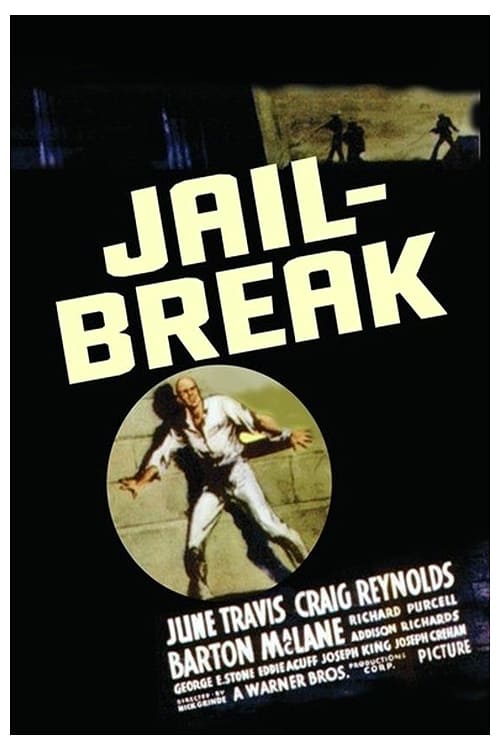
1936
ApprovedDirector
Nick Grindé
Runtime
60 minutes
Average Rating
No ratings yetNew Showbiz Analysis
Jailbreak is a product of the mid-1930s studio system, adhering to the traditional moral frameworks of the era. The narrative is driven by male-centric archetypes, specifically the reporter and the ex-racketeer, which limits the scope of character's ability to drive the story. The film relies heavily on established genre clichés, focusing on institutional interactions between law enforcement and the prison system. This focus results in a lack of multi-layered depth or cultural subversion. Overall, the film serves as a standard example of 1930s crime drama, prioritizing conventional social hierarchies and homogeneous casting over diverse representation.
Category Breakdown
The film does not include any LGBTQ+ characters or representations of non-straight relationships. It follows a traditional crime-and-mystery storyline typical of its time.
Women play supporting roles in a male-dominated plot. The story emphasizes the actions and decisions of male characters involved in crime and investigative journalism.
The film reflects the era's standard of racial homogeneity. There is no evidence of diverse casting or actors from different racial backgrounds.
The story centers on traditional investigative and legal themes. It operates within established moral boundaries, emphasizing crime resolution through conventional methods.
There is no documentation of characters with physical, sensory, or neurodivergent disabilities in the narrative.
Present on Screen
Limited or Absent
Official Synopsis
A reporter gets himself sent to prison so he can solve a murder behind bars.
1939

1939
1940
1935
1942
1931
1936

1946
No reviews yet. Be the first to share your thoughts on this movie!
Use the rating form above to leave a star rating and optional review.