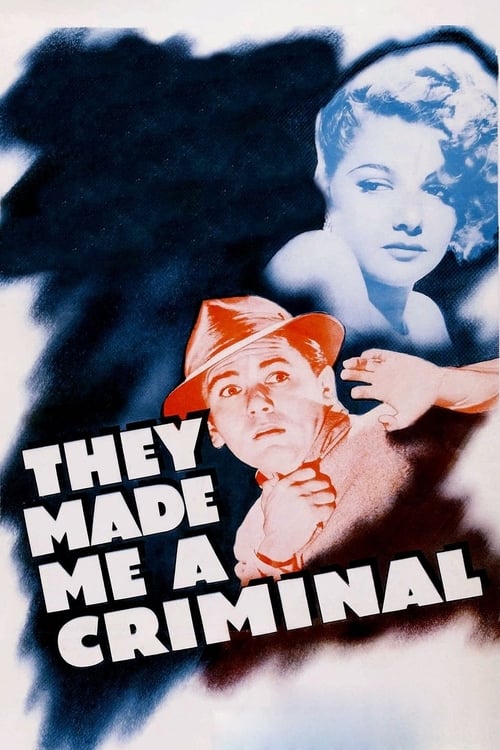
They Made Me a Criminal
1939
No user ratings available yet
Representation score: 2.5 out of 10
Representation Score
Minimal
1936
PassedDirector
Robert F. Hill
Runtime
65 minutes
Average Rating
No ratings yetNew Showbiz Analysis
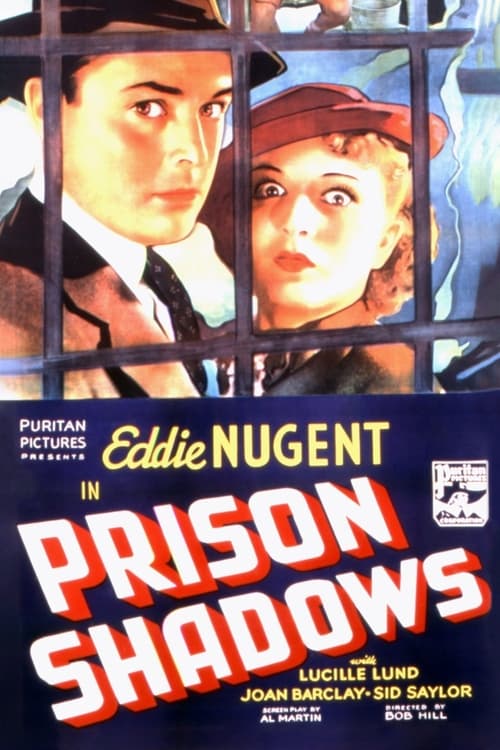
Prison Shadows is a quintessential product of its era, using the 'wronged man' cliché to drive a linear crime drama. The narrative prioritizes individual innocence against criminal conspiracy over any meaningful critique of institutional corruption. The film's structure relies on traditional genre clichés and social hierarchies. It lacks the complexity needed to challenge the status quo of the 1930s. Ultimately, the work functions as a standard genre piece, focusing on physical struggle and the restoration of social order within a narrow demographic lens.
Category Breakdown
The film does not include any characters with non-binary or transgender identities. It focuses on a male-centric boxing environment and a traditional crime drama setting.
The story emphasizes male characters and physical struggle. Female characters likely play supporting or domestic roles, reinforcing traditional gender roles of the 1930s.
The story follows typical casting patterns of the era, suggesting a lack of diversity. Boxing subcultures were often diverse, but this crime drama appears to follow homogeneous casting practices.
The film adheres to conventional moral frameworks of the 1930s. It focuses on the pursuit of justice and social order without critiquing established Western values.
Physical injuries serve as a dramatic plot device rather than a means of empowerment. The toll of boxing is used to indicate a character's decline.
Present on Screen
Limited or Absent
Official Synopsis
A boxer is framed for murder after an opponent dies in the ring.
1939

1939
1932
1929
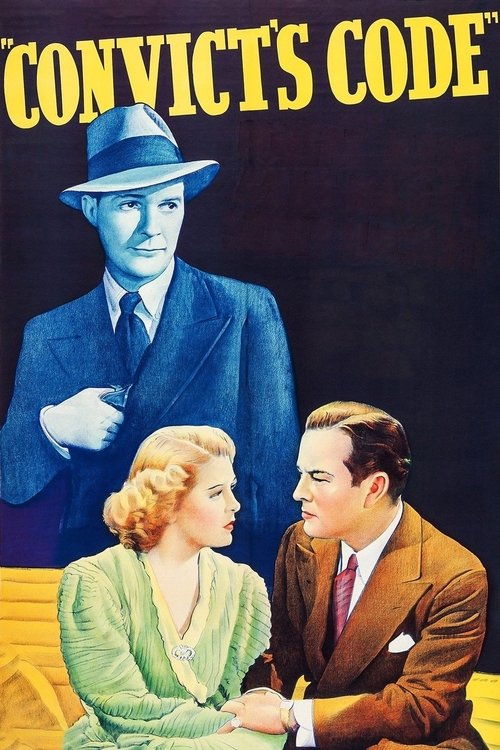
1939
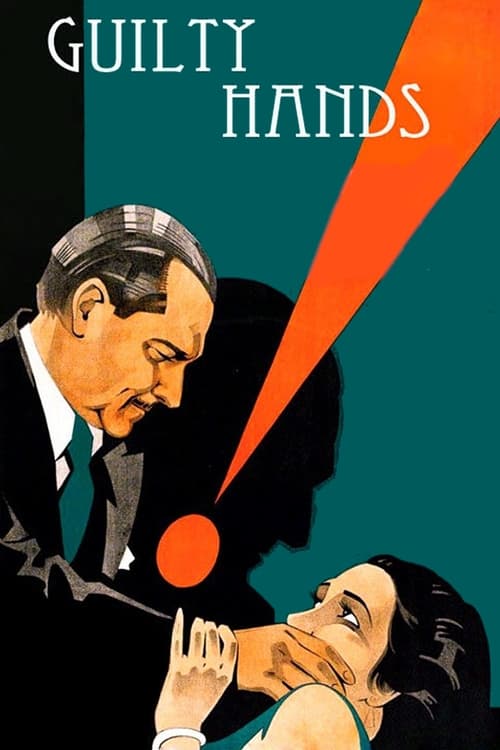
1931
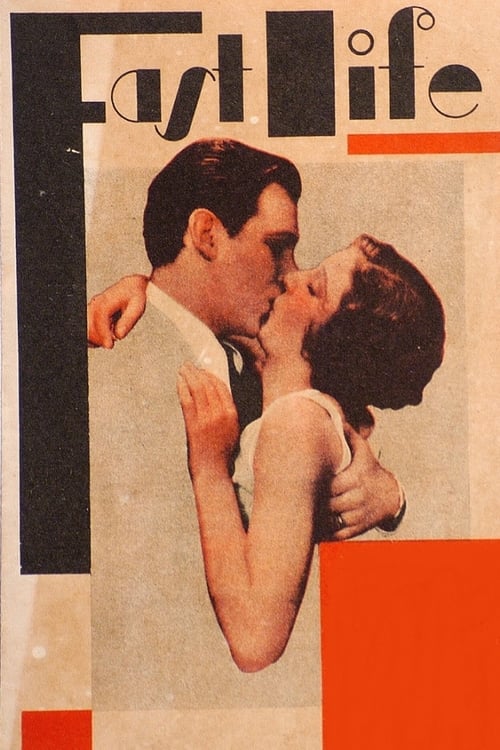
1929
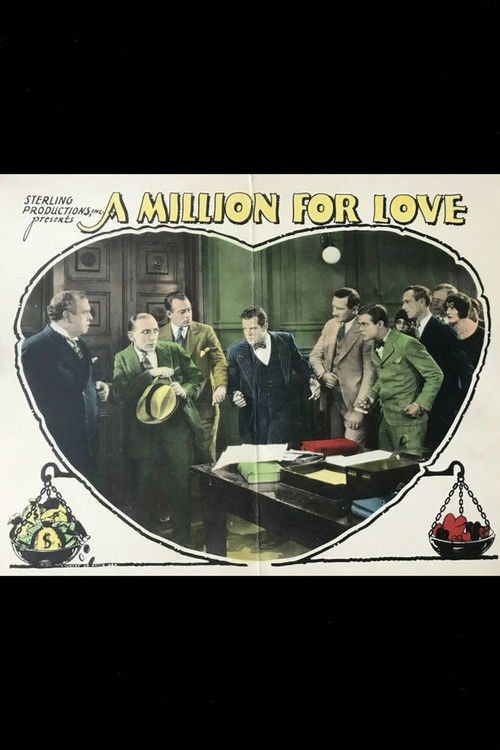
1928
No reviews yet. Be the first to share your thoughts on this movie!
Use the rating form above to leave a star rating and optional review.