Headin' for a Weddin'
1946
No user ratings available yet
Representation score: 1.4 out of 10
Representation Score
Minimal
1940
ApprovedDirector
Noel M. Smith
Runtime
58 minutes
Average Rating
No ratings yetNew Showbiz Analysis
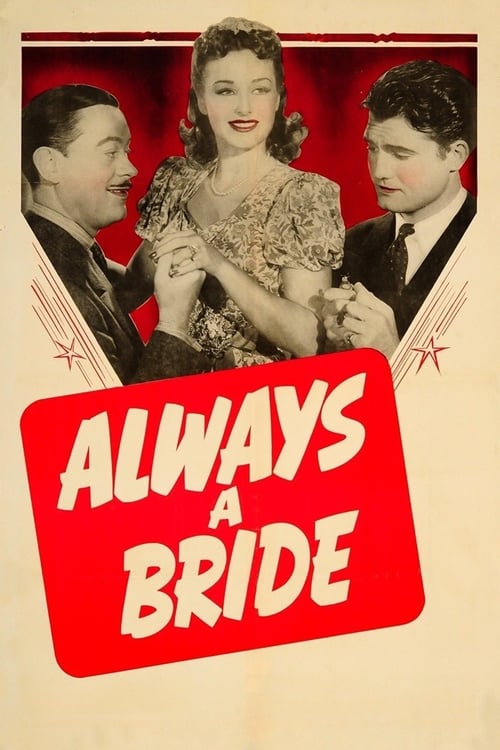
Always a Bride is a classic studio-era comedy that emphasizes traditional social milestones. Its narrative structure relies on established hierarchies, focusing on marriage and political status to resolve conflicts. The film reinforces the social norms of the 1940s rather than challenging them. It centers on a male protagonist navigating patriarchal expectations to achieve a domestic union. By validating existing power structures and following conventional romantic arcs, the film offers limited diversity and social critique.
Category Breakdown
The film adheres to traditional heterosexual and cisgender norms, without challenging or representing non-traditional sexual or gender identities.
The story emphasizes male-driven political achievements and the role of women as catalysts for the male protagonist's journey, reinforcing traditional gender roles.
The film's casting and narrative reflect the homogeneity typical of 1940s Hollywood, focusing on white-centric representations.
The story upholds Western social institutions such as the nuclear family and marriage, validating traditional civic and familial authority through political success.
There are no characters with visible or invisible disabilities featured in the narrative.
Present on Screen
Limited or Absent
Official Synopsis
A young man wants to marry his sweetheart, but her parents will agree to their wedding only on one condition: he must run for mayor--and win. Comedy.
1946

1978
1942

1925
1917
1938
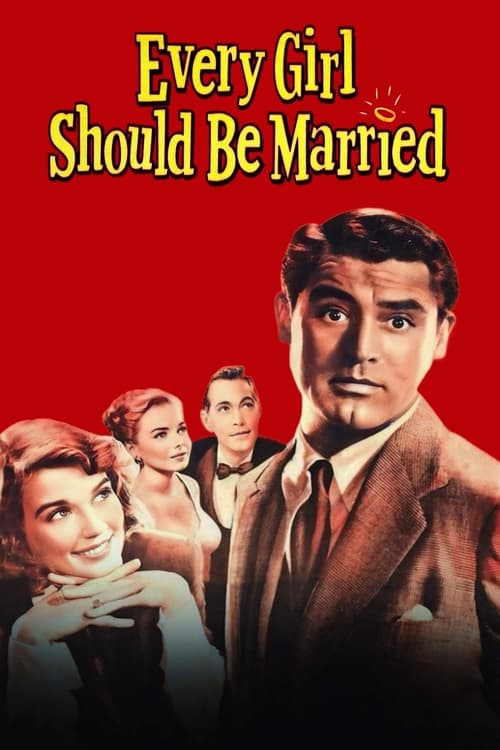
1948
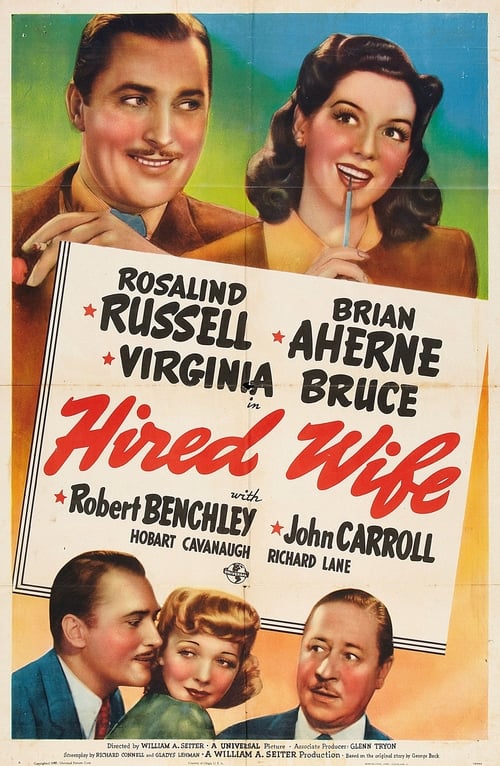
1940
No reviews yet. Be the first to share your thoughts on this movie!
Use the rating form above to leave a star rating and optional review.