
Django
2017
No user ratings available yet
Representation score: 8.5 out of 10
Representation Score
Good
1989
Director
Leszek Wosiewicz
Runtime
88 minutes
Average Rating
No ratings yetNew Showbiz Analysis
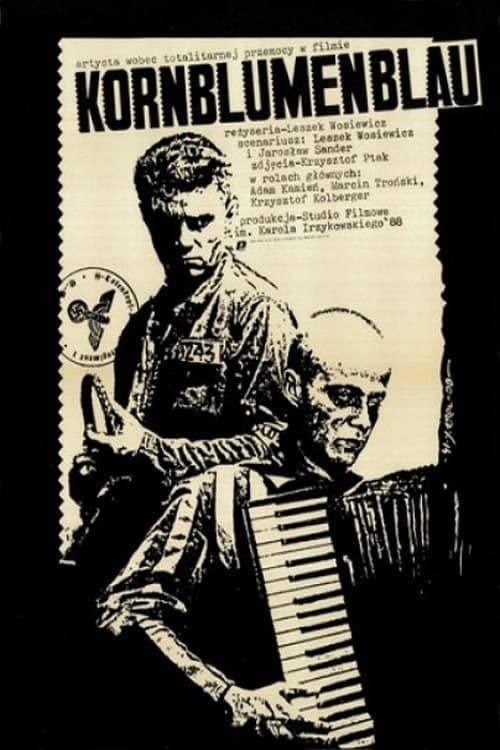
Kornblumenblau is a historical drama that emphasizes a non-Western perspective. By centering a Polish musician's survival during the Holocaust, the film moves away from Anglo-Saxon-centric historical narratives and highlights the intersection of art and systemic oppression. However, the film follows traditional dramatic conventions. The focus remains heavily on a male protagonist, and there is little evidence of diverse gender empowerment or explicit LGBTQ+ representation. The narrative is driven by historical realism rather than modern identity politics. Ultimately, the film's value lies in its cultural critique. It uses music to explore the failure of institutional humanity, though it remains constrained by the standard clichés of the period piece genre.
Category Breakdown
The film does not explicitly include LGBTQ+ characters or stories. The plot focuses on historical trauma and musical expression within the concentration camp setting rather than exploring LGBTQ+ themes.
The story centers around a male musician. Women are part of the historical context, but there is no indication of specific female empowerment or challenging traditional gender roles.
The film significantly represents a Polish protagonist and the Jewish experience. This shifts the focus from Western-centric history by highlighting underrepresented identities under systemic oppression.
Music is used as a tool for survival against state-sponsored genocide. The film critiques oppressive institutions through the lens of art and individual resilience.
The film likely portrays severe physical and psychological trauma from the Holocaust. However, it may rely on typical historical drama clichés about survival through adversity.
Present on Screen
Limited or Absent
Official Synopsis
Based on a true story of a Polish musician who survived the concentration camp only because he could play on the accordion the title melody.
2017

1997
2025
2019
1980
2012
1992
No reviews yet. Be the first to share your thoughts on this movie!
Use the rating form above to leave a star rating and optional review.