
Bunny Drop
2011
No user ratings available yet
Representation score: 4.5 out of 10
Representation Score
Fair
1974
Director
Mehmood
Runtime
137 minutes
Average Rating
No ratings yetNew Showbiz Analysis
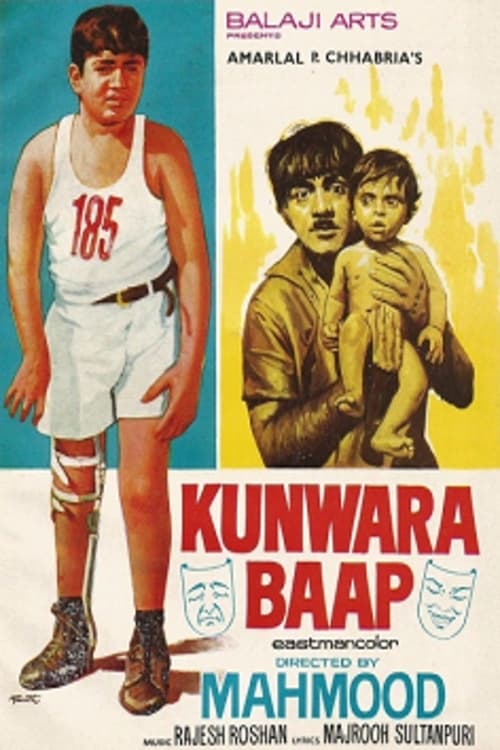
Kunwara Baap is a character-driven social comedy reflecting the cultural and social norms of 1970s Bollywood. It prioritizes situational comedy and established moral frameworks over challenging systemic power dynamics. While the film provides an authentic portrayal of Indian urban life and religious coexistence, it lacks complexity in addressing multiple aspects of identity. The narrative structure reinforces traditional familial and social structures without questioning them. Ultimately, the film operates within the conventional formulas of its era, focusing on class and responsibility through a traditional lens.
Category Breakdown
The film follows traditional heterosexual norms. It focuses on the protagonist's desire to marry Sheela without exploring non-binary or LGBTQ+ identities.
Gender roles adhere to traditional hierarchies. Female characters like Sheela are defined by their relationships to men, serving as love interests or domestic workers rather than holding positions of power.
The film offers an authentic depiction of urban Indian life. It centers on South Asian identity and provides a nuanced look at the socioeconomic structures of its setting.
The story engages with religious institutions like the Mandir and the Mullah. These figures represent standard community pillars without being critiqued.
No characters with visible or invisible disabilities are portrayed with ability to act. The plot focuses on socioeconomic struggles and unplanned fatherhood.
Present on Screen
Limited or Absent
Official Synopsis
Born without any knowledge of his parentage, Mahesh drives a bicycle rickshaw for a living in a town in India, prays to Bhagwan Shri Kishan, and lives in an unhealthy shanty hut. He is friendly with Sheela, who works as a maidservant, hopes to marry her someday, much to the chagrin of Kalu Dada, who lusts after Sheela. One night while returning home he comes across an abandoned male baby near Bhagwan Shri Ganesh's Mandir. He looks for the family of this child, asks for help from the Mandir's Poojary, as well as a Mullah and a Hawaldar, all in vain. When he tries to abandon the child, he is literally forced to adopt him, and when he does so, he faces considerable opposition from his neighbors, and ends up hating the child.
2011
2003

2018

2016
1954
1981

1993
2010
No reviews yet. Be the first to share your thoughts on this movie!
Use the rating form above to leave a star rating and optional review.