La Cabale des oursins
1992
No user ratings available yet
Representation score: 2.5 out of 10
Representation Score
Minimal
1946
ApprovedDirector
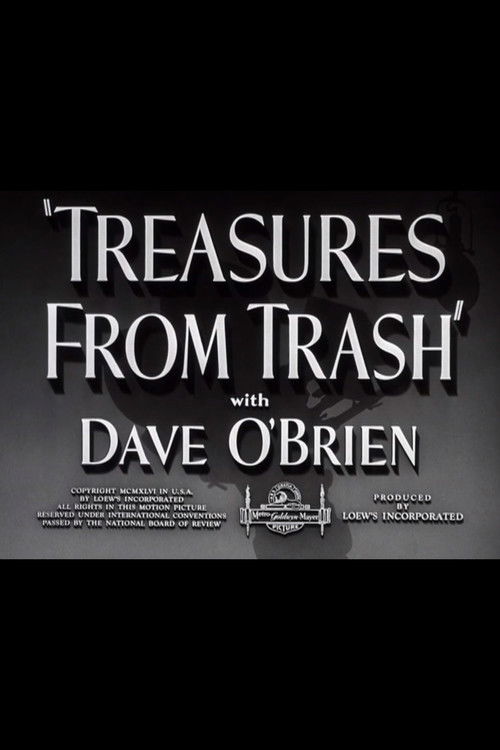
Dave O'Brien
Runtime
10 minutes
Average Rating
No ratings yetNew Showbiz Analysis
The camera opens on the cluttered shelves of a Beverly Hills shop, where discarded objects are being scrubbed and repurposed into decorative curiosities. This 1946 short, directed by Dave O'Brien, sells a tidy vision of American domesticity: waste is not a social problem but a raw material for aesthetic pleasure. The film’s argument is that creativity can sanitize the mundane, turning trash into "treasures" that fit comfortably into a middle-class home. The sold meaning is one of orderly consumption, where even the refuse of modern life can be made respectable through a little artistic effort. The film’s internal logic is consistent but narrow. It presents the shop owner, Alonzo T. Mousebrain, as a competent figure who transforms chaos into order, reinforcing the idea that individual ingenuity solves material problems. There is no critique of the systems that produce the trash, nor any suggestion that the act of repurposing challenges existing social structures. The camera loves the finished product, not the labor or the source. The ending, implied by the genre and tone, settles on a display of these "treasures," affirming the value of domestic creativity and the stability of the household. In its moment, the film reflects a post-war desire for normalcy and self-sufficiency. It does not seek to disrupt or question; it seeks to reassure. The absence of diverse voices or perspectives is not a flaw in the film’s logic but a feature of its era and intent. It is a simple, pleasant document of a specific type of American hobby, one that values order, cleanliness, and the quiet satisfaction of making something useful from something discarded. The film’s moral verdict is that the proper response to waste is not protest or analysis, but art.
Category Breakdown
No queer identity or intimacy appears in this 1946 documentary. The film focuses exclusively on transforming waste into decorative objects, leaving LGBTQ+ themes entirely absent from the narrative.
The cast lists only male names, centering a male narrator and shop owner. Women are not credited or depicted as creators, reflecting a strictly male-dominated perspective in the available evidence.
Top-billed cast consists of white male performers. No non-white characters are credited or described, reflecting the homogeneous casting norms typical of 1940s American documentaries.
The film frames the Beverly Hills shop as a legitimate cultural enterprise. It upholds traditional Western values of domestic order, treating the aestheticization of trash as a respectable, middle-class hobby.
No disabled characters, actors, or narratives regarding impairment appear in the credits or synopsis. The film does not address disability in any visible or spoken capacity.
Present on Screen
Limited or Absent
Official Synopsis
This short film presents an unusual Beverly Hills store called the Patio Shop, where trash is turned into art.
1992
2010
1977
1978
1953
1943

1968
1896
No reviews yet. Be the first to share your thoughts on this movie!
Use the rating form above to leave a star rating and optional review.