
La Cabale des oursins
1992
No user ratings available yet
Representation score: 2.5 out of 10
Representation Score
Limited
1953
Director
Lindsay Anderson
Runtime
13 minutes
Average Rating
No ratings yetNew Showbiz Analysis
Lindsay Anderson’s documentary serves as a social critique rather than a character-driven study. Its value lies in its intellectual framework, using the amusement park to examine the irony of manufactured fun and consumerist leisure. The film's progressive nature stems from its skepticism toward mid-century British institutions. It disrupts expected celebratory clichés by adopting an observational, cynical lens toward commercialized joy. While the film lacks specific demographic inclusion, it succeeds in challenging the systemic nature of Western social structures through its narrative structure.
Category Breakdown
The documentary does not provide specific evidence of LGBTQ+ character arcs or stories involving non-traditional gender identities within the amusement park setting.
The film offers a moderate score, possibly critiquing performative social roles. However, it lacks explicit evidence of gendered power dynamics or the subversion of traditional masculinity and femininity.
Reflecting the 1953 British demographic, the film likely captures a working-class cross-section. There is no documented evidence of intentional characters who reflect more than one aspect of diversity or race-bent casting.
The film shows progressive intent by using a thematic lens to disrupt conventional celebrations of Western leisure. It critiques the artifice of capitalism and traditional social structures.
There is no verifiable evidence regarding the portrayal of neurodivergence or physical disabilities within the available context of this documentary.
Present on Screen
Limited or Absent
Official Synopsis
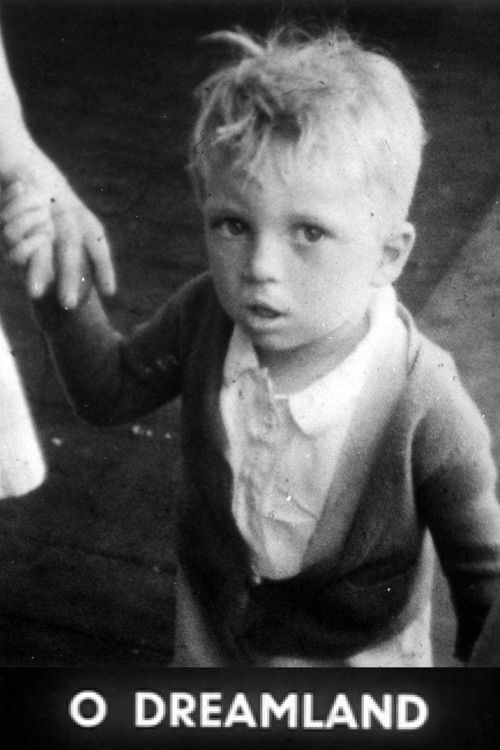
Lindsay Anderson's early documentary film of a British amusement park, the irony of its manufactured fun on full display.
1992
1929

1968
2008
1896
1948
1977

2021
No reviews yet. Be the first to share your thoughts on this movie!
Use the rating form above to leave a star rating and optional review.