Born into Brothels: Calcutta's Red Light Kids
2004
No user ratings available yet
Representation score: 7.5 out of 10
Representation Score
Excellent
2010
Not RatedDirector
Lucy Walker
Runtime
90 minutes
Average Rating
No ratings yetNew Showbiz Analysis
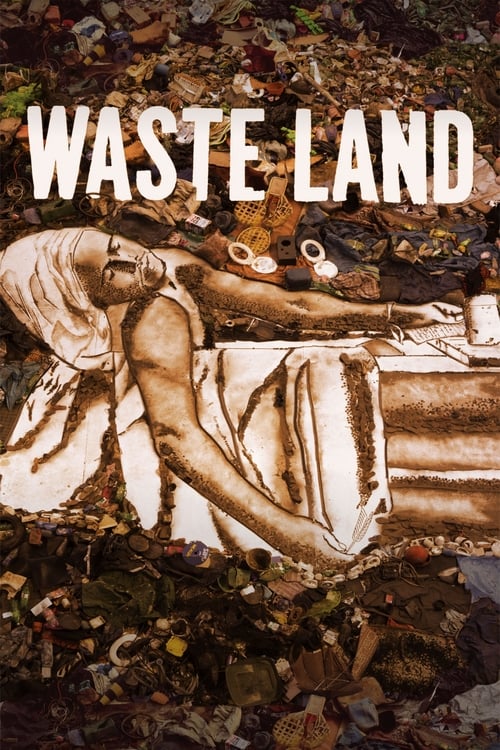
Waste Land succeeds by shifting the focus away from Anglo-centric perspectives to center the roles of those in the Global South. By portraying the catadores as philosophical, Shakespearean figures, the film avoids treating underrepresented subjects as mere victims. The documentary effectively critiques Western consumerism and the systemic neglect of the Global South. It uses art to transform the perception of waste and the people who manage it, granting them immense dignity. While the film lacks specific focus on LGBTQ+ or explicit disability narratives, its strength lies in its radical humanism and its disruption of traditional Western hierarchies of merit and value.
Category Breakdown
The film does not focus on LGBTQ+ identities or non-traditional gender narratives. Instead, it centers on the socioeconomic and labor-based realities of the catadores.
Women are shown as active participants in the informal economy, playing a significant role in driving the story. The film avoids submissive clichés, emphasizing the egalitarian necessity of survival.
The documentary provides exceptional representation of the Global South by featuring a Brazilian majority cast. It highlights the lived experiences of people of color with intellectual depth.
The narrative offers a profound critique of Western consumerism and capitalist structures. It elevates the status of trash to art, deconstructing traditional hierarchies of value.
The film does not explicitly focus on specific disabilities. Instead, it documents the physical toll of extreme labor and the systemic vulnerability inherent in the occupation.
Present on Screen
Limited or Absent
Official Synopsis
An uplifting feature documentary highlighting the transformative power of art and the beauty of the human spirit. Top-selling contemporary artist Vik Muniz takes us on an emotional journey from Jardim Gramacho, the world's largest landfill on the outskirts of Rio de Janeiro, to the heights of international art stardom. Vik collaborates with the brilliant catadores, pickers of recyclable materials, true Shakespearean characters who live and work in the garbage quoting Machiavelli and showing us how to recycle ourselves.
2004
2000
2013

2012
2012

2019
2009

2014
No reviews yet. Be the first to share your thoughts on this movie!
Use the rating form above to leave a star rating and optional review.