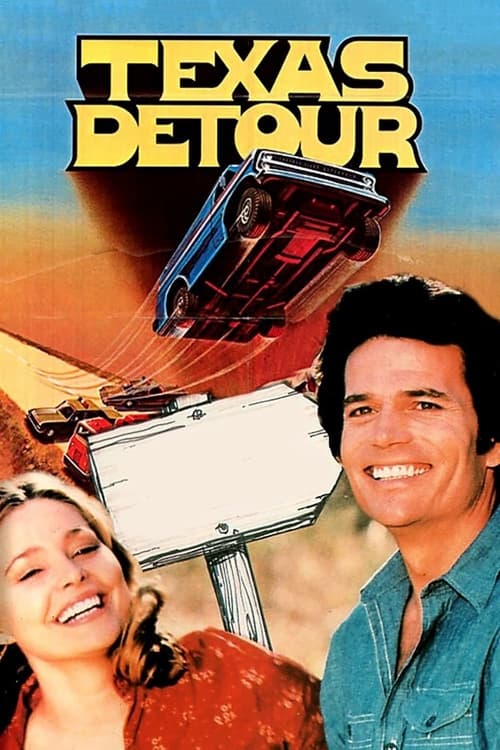
Texas Detour
1978
No user ratings available yet
Representation score: 2.5 out of 10

Representation Score
Limited
1977
PGDirector
Mel Welles, Ronald Ross
Runtime
83 minutes
Average Rating
No ratings yetNew Showbiz Analysis
Joyride to Nowhere is a genre-driven crime thriller that finds its strength in character's ability to drive the story. By centering the plot on two young women escaping abusive homes, the film avoids the cliché of the helpless female victim, instead presenting them as proactive drivers of the conflict. However, the film lacks multi-layered depth. The narrative remains rooted in the conventional cinematic frameworks of the late 1970s, offering little in the way of racial, religious, or LGBTQ+ diversity. While the protagonists' pursuit of freedom offers a slight progressive edge, the demographic breadth is minimal. Ultimately, the film functions as a standard action-crime piece. It succeeds in providing female characters with momentum and purpose, but fails to challenge broader social hierarchies or include a diverse range of identities.
Category Breakdown
The film does not explicitly depict queer identities or non-cisgender characters. The story focuses solely on the interpersonal dynamics between the female leads and the male antagonist.
Cindy and Leah are active agents rather than passive victims, driving the plot through theft and escape. This challenges traditional hierarchies by allowing female characters to outmaneuver a male antagonist.
The cast appears homogeneous, consistent with the casting standards of 1970s crime cinema. There is no indication of intentional ethnic blending or a diverse, non-Anglo-Saxon majority.
The story explores systemic dysfunction by depicting characters rejecting traditional domestic stability. It prioritizes individual autonomy and freedom over the constraints of familial or legal structures.
There is no evidence of characters with visible or invisible disabilities within the narrative.
Present on Screen
Limited or Absent
Official Synopsis
Teenage friends Cindy and Leah have decided to leave their abusive homelives behind, stealing Cindy's father's car and setting out on the road to freedom. On the way, they meet up with a sleazy guy named Tank who invites them up to his place. As Tank showers, the two girls decide to take off, stealing Tank's wallet and his car. His car, however, happens to contain $2 million from a bank job he just pulled off, and Tank is now rather intent on tracking the pair down and reclaiming what's his.
1978

1974

1984
1972

1973

1989

1973
1969
No reviews yet. Be the first to share your thoughts on this movie!
Use the rating form above to leave a star rating and optional review.