Salvo D'Acquisto
1974
No user ratings available yet
Representation score: 1.9 out of 10
Representation Score
Limited
1996
Director
Carlo Lizzani
Runtime
115 minutes
Average Rating
No ratings yetNew Showbiz Analysis
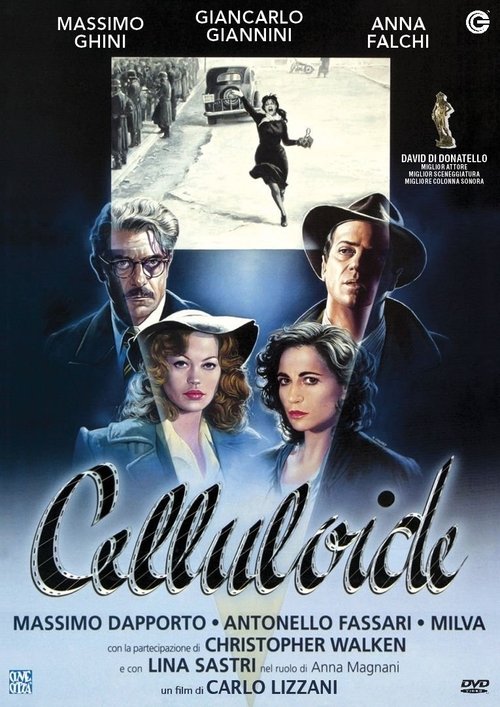
Celluloide functions as a historical meta-narrative centered on the emergence of Italian neorealism. It emphasizes the socioeconomic dynamics of the mid-20th century over contemporary identity issues, focusing on the labor and challenges faced by filmmakers during the liberation of Rome. The film adheres closely to the demographic makeup of its setting, offering a rich examination of the film industry's evolution without engaging with modern diversity frameworks. Ultimately, it serves as a study of systemic changes and the human experience within a specific historical context.
Category Breakdown
The film centers on the professional lives of film technicians and enthusiasts, without delving into narratives about LGBTQ+ identities or providing subtle hints about non-traditional gender roles.
It offers a detailed exploration of gendered labor within the film industry, showing women adapting to professional changes while maintaining traditional male leadership roles.
Set in post-war Italy, the cast is predominantly made up of individuals from similar backgrounds, reflecting the historical context without incorporating diverse ethnic representations.
The film effectively critiques institutional structures and the interplay of art and labor. It highlights the tension between personal passion and the economic realities of mid-century capitalism.
There is no significant focus on visible or invisible disabilities as central themes in this historical drama.
Present on Screen
Limited or Absent
Official Synopsis
June 1944. In the newly liberated Rome, Roberto Rossellini and Sergio Amidei decide, against all odds, to make an unprecedented, true-to-life film on the tragic events that occurred during the Nazi occupation: Rome, Open City .
1974

1975

2008

1945
2022

1974

1973

2007
No reviews yet. Be the first to share your thoughts on this movie!
Use the rating form above to leave a star rating and optional review.