Let It Be
2010
No user ratings available yet
Representation score: 6.5 out of 10
Representation Score
Fair
1998
Director
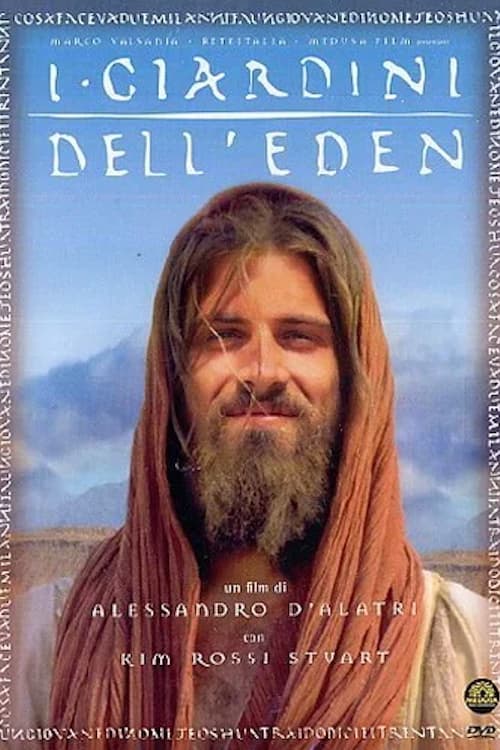
Alessandro D'Alatri
Runtime
95 minutes
Average Rating
No ratings yetNew Showbiz Analysis
The film succeeds as a humanistic deconstruction of religious iconography. By focusing on Jeoshua's psychological growth and his struggle against systemic violence, it moves away from dogmatic tradition toward a more complex, skeptical portrait of history. However, the narrative remains heavily centered on the male protagonist's spiritual arc. This focus limits the depth of women's ability to drive the story and leaves modern identity perspectives, such as LGBTQ+ representation, largely unaddressed. Ultimately, the work excels in its cultural texture and its critique of institutional rigidity, providing a multi-ethnic lens on a historical period often depicted through a more homogenous perspective.
Category Breakdown
The film centers on Jeoshua's spiritual and social development, exploring themes of internal conflict and desire. However, it does not include any explicit LGBTQ narratives or non-straight identities.
The narrative highlights human vulnerabilities and emotional complexities. Interactions with community members challenge rigid hierarchies, but women's ability to drive the story remains secondary to the central spiritual journey of the protagonist.
A diverse cast represents the historical landscape of Galilee. Casting actors like Said Taghmaoui and Omar Chenbod adds a nuanced ethnic texture that avoids a purely Eurocentric lens.
The film disrupts conventional religious expectations by using moral relativism. It portrays the protagonist's journey through skepticism and critiques of systemic oppression in Roman and Essene structures.
There is no discernible evidence regarding the portrayal of physical or neurodivergent disabilities within the film.
Present on Screen
Limited or Absent
Official Synopsis
Alessandro D'Alatri directed this Italian drama about Jesus Christ, covering his childhood, adolescence, and early adulthood, an 18-year span not chronicled in the Bible. The film uses names of the period instead of names given in the Bible. The adult Jeoshua (Kim Rossi Stuart) reflects on past events -- his journey into the desert, baptism, acceptance into the Essenes' community, Jewish life in Galilee, his yeshiva studies, education from his father Josef (Omar Chenbod), and his spiritual growth. After seeing slavery, crucifixions, the stoning of an adulteress, and brutal Roman soldiers, Jeoshua turns to God for answers, leaves the village, and is betrayed by his friend Aziz (Said Taghmaoui), who leaves him to die in the desert. Issues such as carnality bring Jeoshua in conflict with the Essenes, yet he speaks out on behalf of the Essene David (popular Italian singer Lorenzo Cherubini).
2010
1965
1987
1977

2011
1961

2014
1965
No reviews yet. Be the first to share your thoughts on this movie!
Use the rating form above to leave a star rating and optional review.