Woman Trouble
1948
No user ratings available yet
Representation score: 1.1 out of 10
Representation Score
Limited
1951
PassedDirector
Eugenio de Liguoro
Runtime
58 minutes
Average Rating
No ratings yetNew Showbiz Analysis
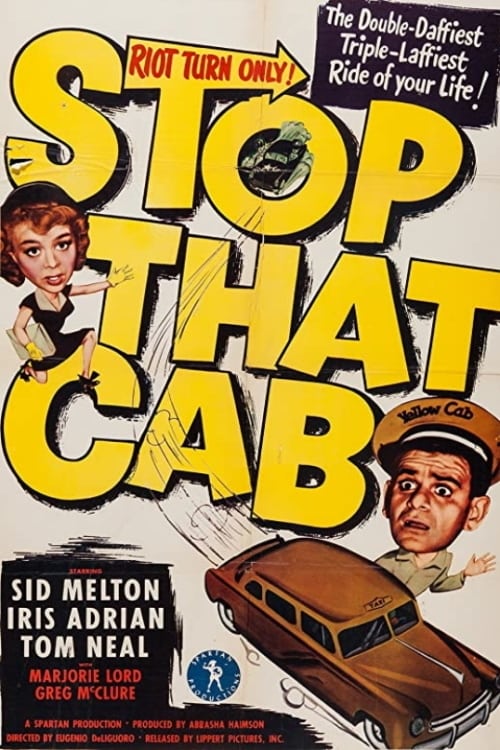
Stop That Cab operates as a straightforward slice-of-life comedy, centering on a taxi driver’s professional and domestic struggles. The narrative structure places the male protagonist at the center of all action, while female characters function primarily as reactive elements within the home or as transient passengers. This dynamic reinforces traditional gender expectations without offering counterpoints or alternative perspectives. The social world depicted is uniformly white and heterosexual, mirroring the production standards of 1951. There is no indication of racial, ethnic, or LGBTQ+ diversity in the cast or storyline. The film’s observational tone avoids ideological critique, instead presenting these norms as the natural backdrop for its comedic situations. While the working-class setting provides some social texture, the lack of diverse representation limits the film’s broader appeal. The absence of disability or other identity markers keeps the story focused on a narrow demographic, resulting in a low overall diversity score.
Category Breakdown
The film presents no LGBTQ+ characters or same-sex romance. All relationships depicted are strictly heterosexual, focusing on the cab driver’s interactions with passengers and his wife. The narrative remains entirely within traditional romantic boundaries.
Sid Melton’s cab driver drives the plot through his night-shift encounters. Iris Adrian’s wife is loud and argumentative, creating domestic conflict. Women serve as passengers or family members rather than independent protagonists.
The cast consists entirely of white actors, reflecting the era’s standard production practices. No characters of color appear in the verified cast list or synopsis. The story remains within a homogeneous social circle.
The film portrays a working-class cab driver navigating urban life and domestic tension. Traditional family structures are central, with the wife’s behavior driving home scenes. No major institutions are critiqued; the tone remains observational and comedic.
No characters with physical or mental disabilities are identified in the cast or plot. The narrative relies on standard comedic encounters without addressing disability as a lived condition or plot element.
Present on Screen
Limited or Absent
Official Synopsis
The trials and tribulations of a cab driver working the night shift, who must put with an assortment of crazies, hardcases and sob stories during work and then has to come home to a loud, argumentative, shrewish wife.
1948
1983
1952
1972
1941
1960
1943
1958
No reviews yet. Be the first to share your thoughts on this movie!
Use the rating form above to leave a star rating and optional review.