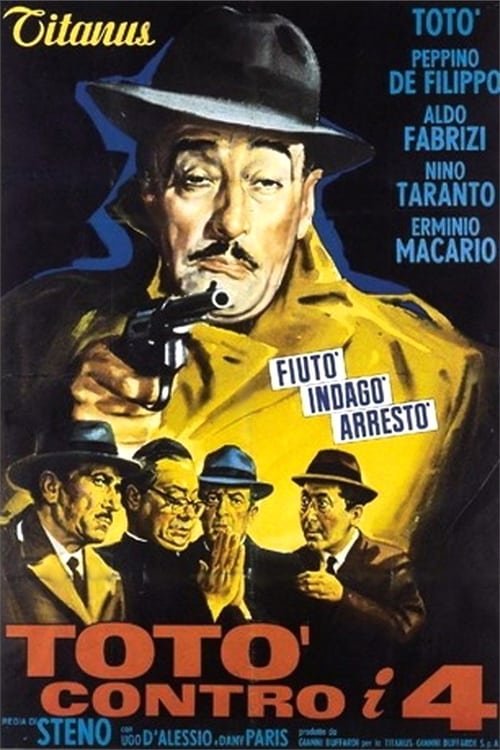
Totò vs the Four
1963
No user ratings available yet
Representation score: 2.8 out of 10
Representation Score
Minimal
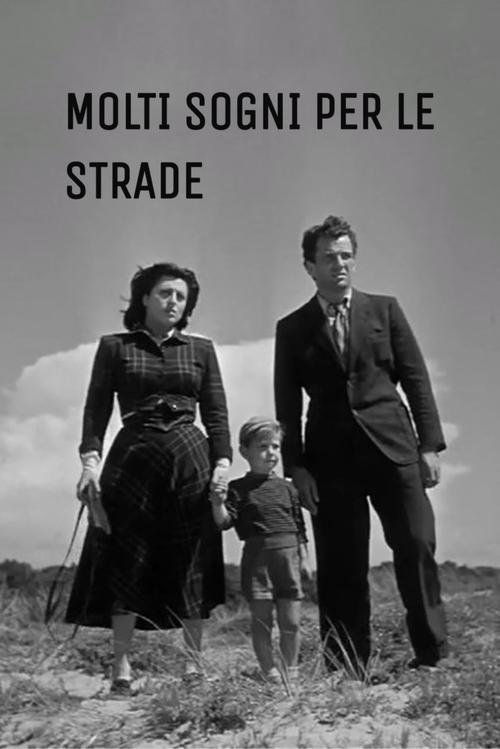
1948
Director
Mario Camerini
Runtime
84 minutes
Average Rating
No ratings yetNew Showbiz Analysis
Mario Camerini’s comedy provides a window into the socioeconomic struggles of post-war Italy, particularly the tension between the unemployed working class and the industrial elite. However, the film operates strictly within the traditional social hierarchies and demographic norms of the mid-century era. The narrative prioritizes individual social mobility and romantic entanglements over systemic issues. While it offers a critique of class disparity, it does so through the lens of conventional social comedy rather than progressive identity politics. Ultimately, the film maintains the cultural frameworks of its time, offering a localized and ethnically uniform perspective of Milanese life.
Category Breakdown
The film adheres to the social structures of 1940s Italy, where everyone is assumed to be straight or cisgender. There are no queer narratives or non-cisgender identities in the story.
Silvana Pampanini plays a central role, but her influence is tied to navigating romantic and social situations. The film reflects traditional post-war gender roles and conventional femininity.
The cast is largely homogeneous, reflecting the demographics of post-WWII Milan. The production focuses on an ethnically uniform portrayal of the Italian working and middle classes.
The story engages with socioeconomic tensions and class disparity in post-war reconstruction. It critiques the friction between individuals and capitalist structures through social comedy.
There is no focus on physical or neurodivergent representation within the narrative.
Present on Screen
Limited or Absent
Official Synopsis
Driven by the constant quarrels with his wife and humiliated by a rich Milanese industrialist after asking him for a job, an unemployed person decides to steal a car from a garage guarded by a friend.
1963
1972
1954
1983
1963
1970
1960
1973
No reviews yet. Be the first to share your thoughts on this movie!
Use the rating form above to leave a star rating and optional review.