Escapes
2017
No user ratings available yet
Diversity score: 5.3 out of 10
2016
Director
Thomas Edward Seymour, Kenneth Powell
Runtime
72 minutes
Average Rating
No ratings yetSynopsis
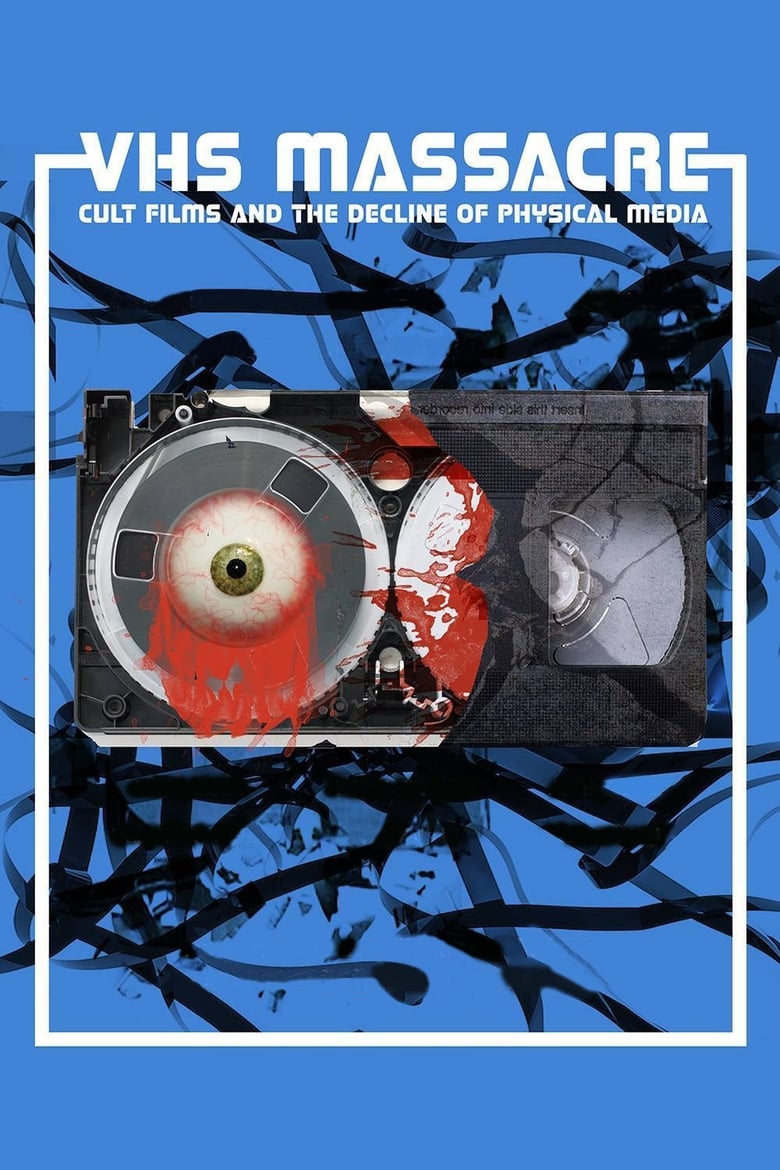
This lively documentary explores the rise and fall of physical media from the origin of film all the way through the video store era into digital media, focusing on B-movie and cult films. With icons like Joe Bob Briggs (MonsterVision), Lloyd Kaufman (Toxic Avenger), Greg Sestero (The Room), Debbie Rochon (Return to Nuke 'Em High), Deborah Reed (Troll 2), Mark Frazer (Samurai Cop), James Nguyen (Birdemic) and many others.
Overall Score
Fair
Category Breakdown
LGBTQ+ Representation
The film explores cult cinema, a genre that often embraces camp and queer-coded aesthetics. While specific queer narratives are not explicitly detailed, the subcultural subject matter provides a natural intersection with non-normative identities.
Gender Representation
Industry icons like Debbie Rochon and Deborah Reed are featured, highlighting female agency within the niche horror community. However, the film focuses more on media history than on actively subverting gender hierarchies.
Racial & Ethnic Diversity
The documentary centers on the evolution of Western B-movies and physical media. There is insufficient evidence to confirm a diverse range of racial or ethnic perspectives among the interviewees.
Religious & Cultural Diversity
By prioritizing grassroots, independent B-movies, the film offers a critique of mainstream capitalist media structures. It celebrates an outsider perspective that challenges the dominance of centralized, polished studio outputs.
Disability Representation
There is no discernible information regarding the depiction of physical or neurodivergent disabilities within this documentary.
Strengths
Areas for Improvement
AI Analysis
VHS Massacre serves as a celebratory archive of subcultural cinema rather than a study in explicit identity politics. Its value lies in documenting the independent spirit of cult films that exist outside mainstream, heteronormative institutions. The film succeeds in highlighting niche industry figures, including women like Debbie Rochon, which provides a glimpse into the agency of creators within the horror sector. However, the narrative remains primarily focused on the history of the medium itself. While the documentary implicitly critiques mainstream cultural hegemony by championing the 'outsider' B-movie, it lacks intentional, character-driven intersectionality. The focus on Western media evolution limits its broader representation of diverse racial and ethnic perspectives.
2017
2018
2020
2014
2016
2023

2016

2015
2001
2011
2003
2004
No reviews yet. Be the first to share your thoughts on this movie!
Use the rating form above to leave a star rating and optional review.