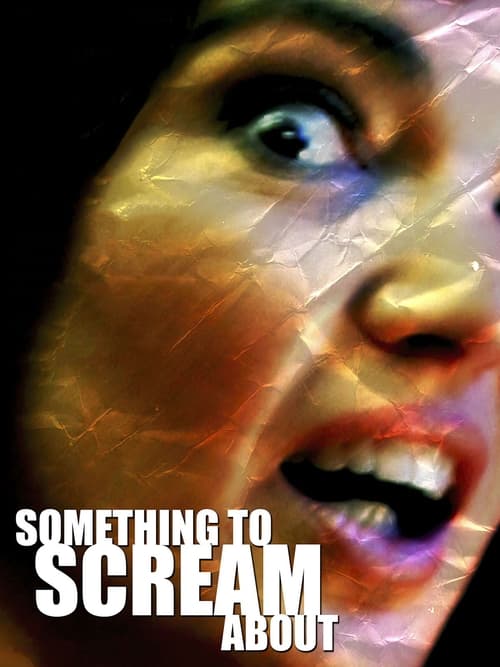
Something to Scream About
2003
No user ratings available yet
Representation score: 5.7 out of 10
Representation Score
Fair
2011
RDirector
Jason Paul Collum
Runtime
63 minutes
Average Rating
No ratings yetNew Showbiz Analysis
The documentary offers a nuanced critique of cinematic hierarchies by shifting the narrative focus to women in a genre known for victimization. It successfully highlights the professional resilience of its female subjects. However, the film is constrained by the historical context of the 1980s B-movie era, which lacks significant racial diversity. The central subjects represent a specific, non-multi-layered demographic. Overall, the film excels in analyzing women's ability to drive the story and the subversion of industry power dynamics, even while operating within a narrow cultural scope.
Category Breakdown
The film explores queer-coded themes through its focus on camp aesthetics and the lifestyle of cult B-movies. Though it doesn't highlight specific LGBTQ+ identities, it delves into the non-straight nature of these cult followings.
The documentary challenges traditional gender roles by presenting women as smart and active professionals rather than passive victims. It emphasizes the intellectual and economic strength of the 'Terrifying Trio' within a predatory industry.
The story centers on a particular group of actresses during the 1980s B-movie boom, which was predominantly white and Anglo-centric. This historical context limits the racial diversity among the main subjects.
By focusing on the unconventional side of Hollywood, the film questions mainstream institutional narratives. It favors cult and camp over polished studio productions, highlighting the unpredictable nature of niche, independent creators.
There is no information available regarding the portrayal of physical or neurodivergent disabilities in this documentary.
Present on Screen
Limited or Absent
Official Synopsis
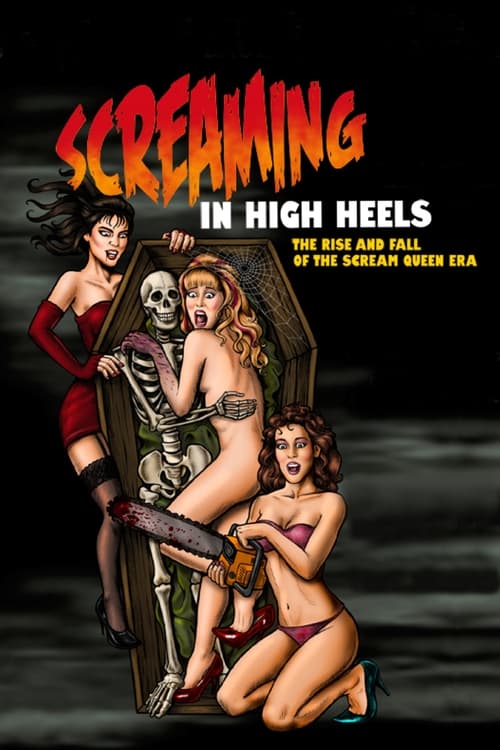
Three girls living in Los Angeles, CA in the 1980s found cult fame when they "accidentally" transitioned from models to B-movie actresses, coinciding with the major direct-to-video horror film boom of the era. Known as "The Terrifying Trio," Linnea Quigley (The Return of the Living Dead), Brinke Stevens (The Slumber Party Massacre) and Michelle Bauer (The Tomb), headlined upwards of ten films per year, fending off men in rubber monster suits, pubescent teenage boys, and deadly showers. They joined together in campy cult films like Sorority Babes in the Slimeball Bowl-a-Rama (1988) and Nightmare Sisters (1987). They traveled all over the world, met President Reagan, and built mini-empires of trading cards, comic books, and model kits. Then it all came crashing down. This documentary remembers these actresses - and their most common collaborators - on how smart they were to play stupid
2003
2019
2014
2018
2006
2013
1985
1998
No reviews yet. Be the first to share your thoughts on this movie!
Use the rating form above to leave a star rating and optional review.