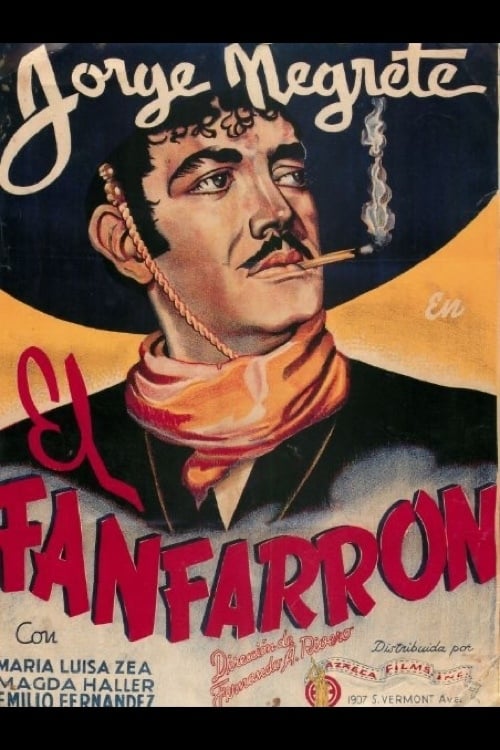
El fanfarrón: ¡Aquí llegó el valentón!
1943
No user ratings available yet
Representation score: 2.3 out of 10
Representation Score
Minimal
1948
Director
Raúl de Anda
Runtime
91 minutes
Average Rating
No ratings yetNew Showbiz Analysis
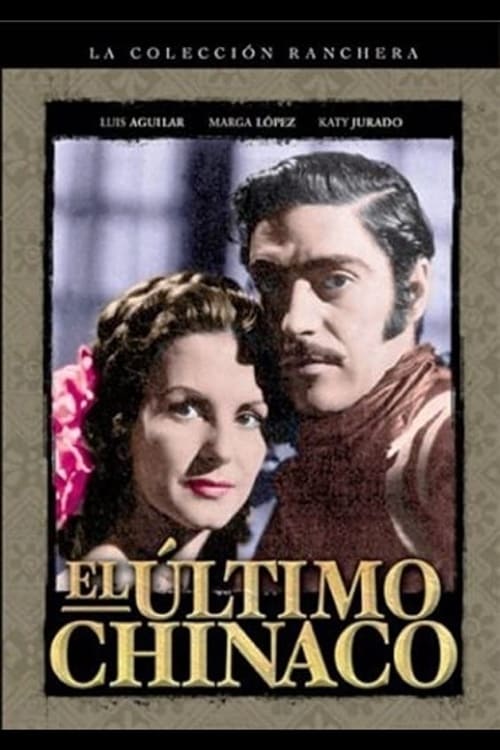
As a quintessential example of the Golden Age of Mexican cinema, *El último chinaco* functions as a cultural stabilizer. It prioritizes the preservation of established social hierarchies and traditional rural archetypes through the lens of the *comedia ranchera* genre. The film celebrates nationalist sentiment and romanticized rural life, adhering strictly to the conservative socio-cultural norms of 1948. Its narrative structure upholds values of machismo, religious morality, and class distinction. Ultimately, the work lacks complexity in reflecting multiple aspects of identity. It serves as a historical artifact of Mexican nationalism that seeks to reinforce, rather than critique, the traditional social frameworks of its time.
Category Breakdown
The film operates within a strictly straight-centered framework. Romantic arcs focus entirely on traditional courtship and gendered expectations, with no presence of diverse gender identities.
The narrative reinforces traditional hierarchies by leaning heavily into the machismo archetype. Women function primarily as domestic figures or romantic catalysts rather than characters with independent roles.
The cast is predominantly mestizo, reflecting the era's nationalist focus. While it centers on the rural peasantry, it depicts a homogeneous cultural identity rather than challenging racial hierarchies.
The film promotes singular moralities rooted in Catholic imagery and family honor. It emphasizes traditional patriotism and rural customs to reinforce established social stability.
There is no evidence of characters with visible or invisible disabilities serving as central narrative drivers or plot devices.
Present on Screen
Limited or Absent
Official Synopsis
1880s-1890s rural adventure on horseback.
1943

2023
1946
1940
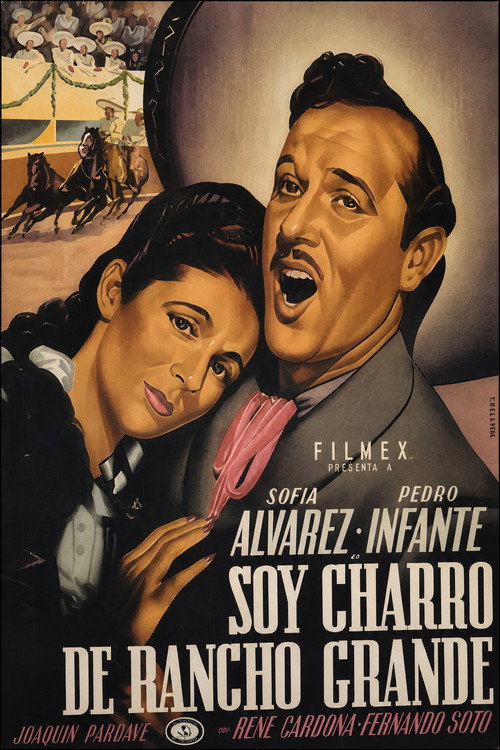
1947
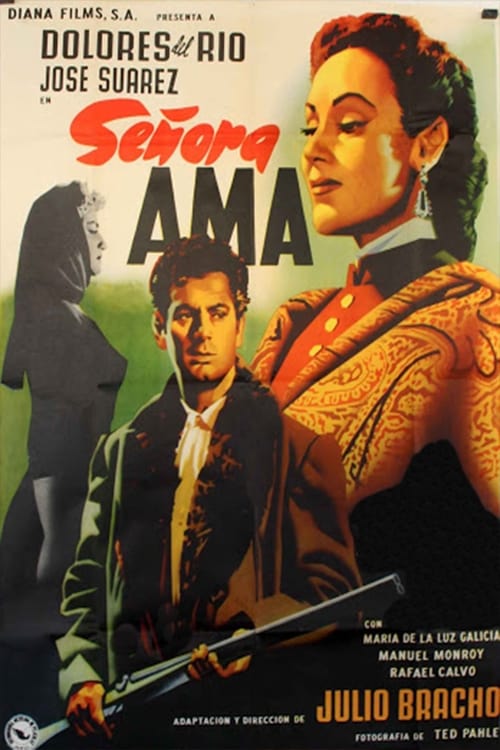
1955
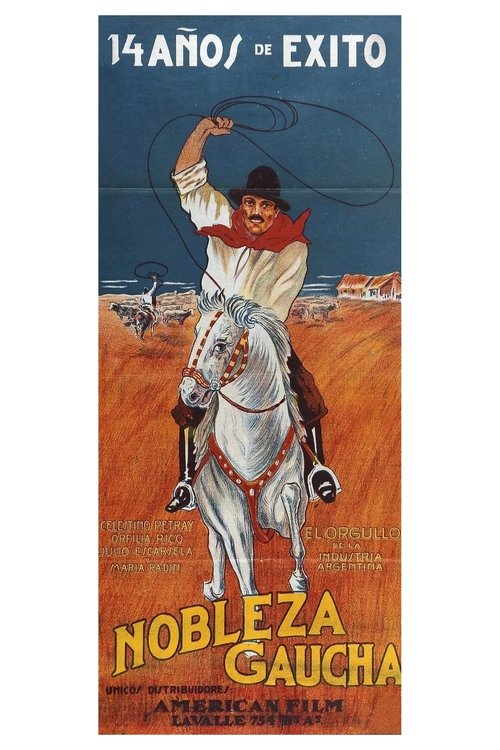
1915
1945
No reviews yet. Be the first to share your thoughts on this movie!
Use the rating form above to leave a star rating and optional review.