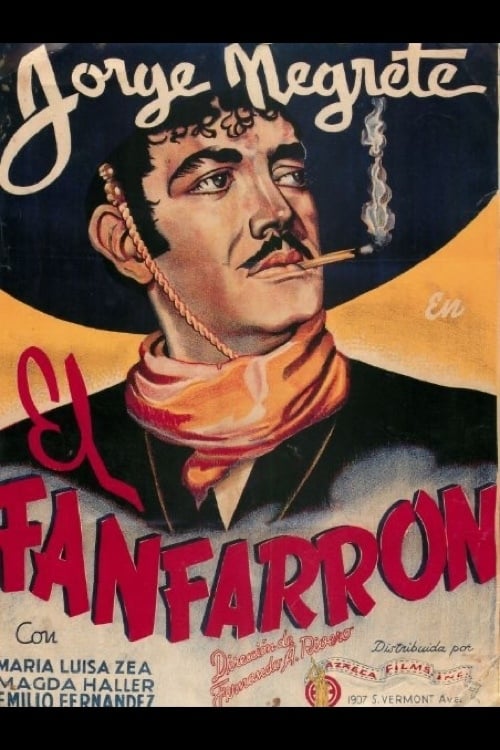
El fanfarrón: ¡Aquí llegó el valentón!
1943
No user ratings available yet
Representation score: 2.3 out of 10
Representation Score
Limited
1940
Director
Raúl de Anda
Runtime
70 minutes
Average Rating
No ratings yetNew Showbiz Analysis
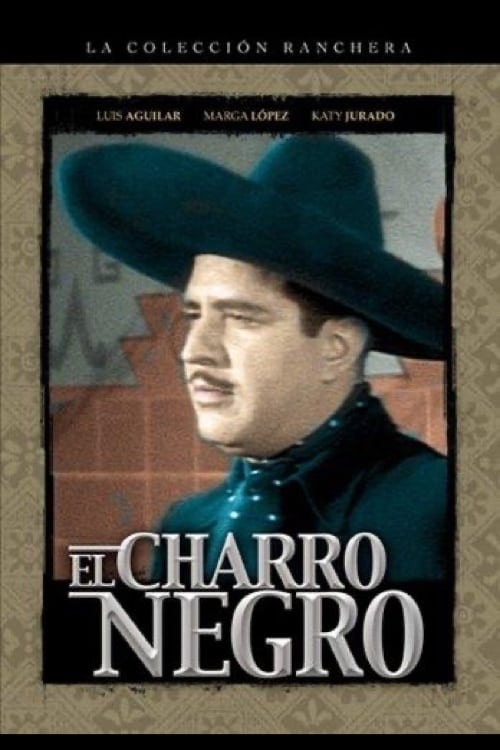
El Charro Negro serves as a culturally specific alternative to the standard Hollywood Western. By focusing on Mexican folk mythology and local legends, it successfully rejects the Anglo-centric frontier mythos that dominated the era's genre cinema. However, the film remains socially conservative, adhering to the rigid gender hierarchies and traditional masculine archetypes of the 1940s. It lacks the multi-layered complexity or subversion of social roles found in more progressive works. Ultimately, the film’s value lies in its commitment to Mexican cultural identity, even though it does not challenge internal social dynamics.
Category Breakdown
The film does not include any representation of non-binary gender identities or same-sex relationships. It focuses on traditional masculine roles typical of the charro genre.
Gender roles in the film follow traditional 1940s hierarchies, emphasizing male strength and leadership. Female characters seem to exist primarily to catalyze action or require protection, rather than as independent agents.
The production highlights Mexican identity and local aesthetics, moving away from Anglo-centric perspectives. It offers a significant contrast to the homogeneous racial hierarchies found in American Westerns.
The narrative is deeply rooted in Mexican religious and folkloric traditions, including supernatural bargains. It operates within a non-Western cultural and moral framework.
There is no depiction of physical or neurodivergent disabilities in the film. Disability is not a central narrative component.
Present on Screen
Limited or Absent
Official Synopsis
Masked cowboy avenger in the style of The Lone Ranger, first film in a series of four.
1943
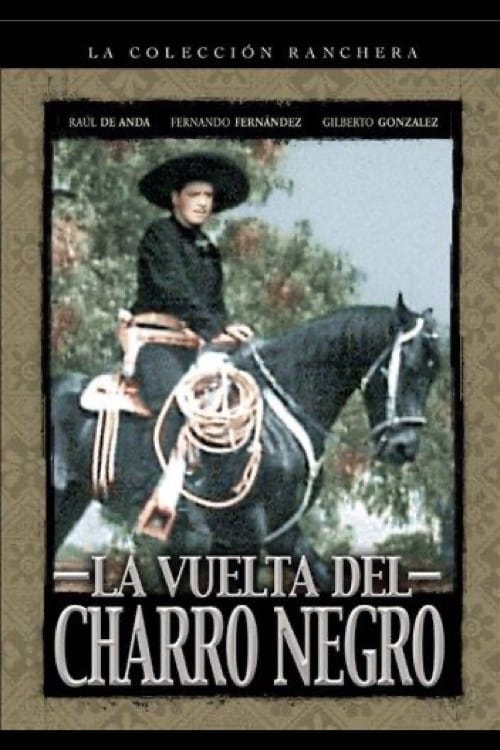
1941
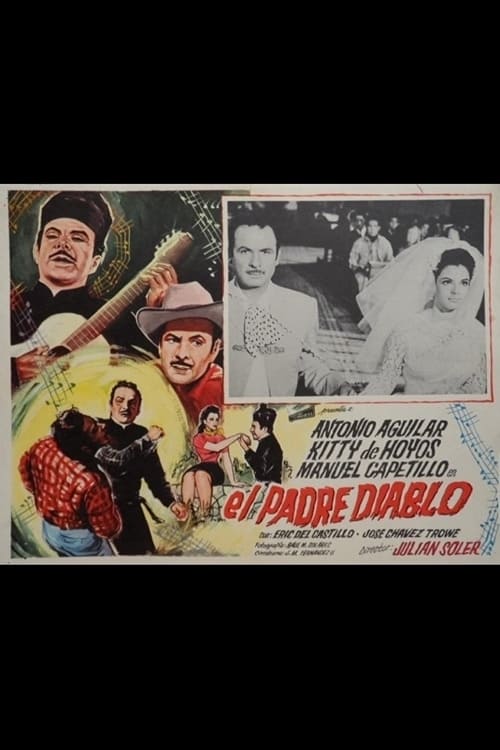
1965
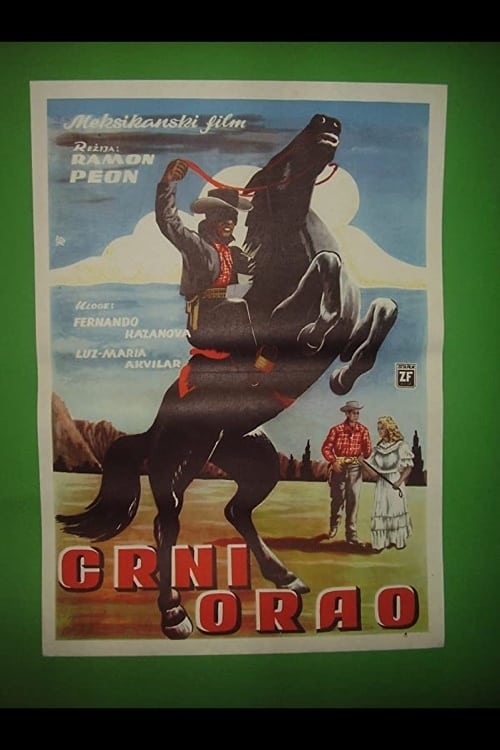
1954
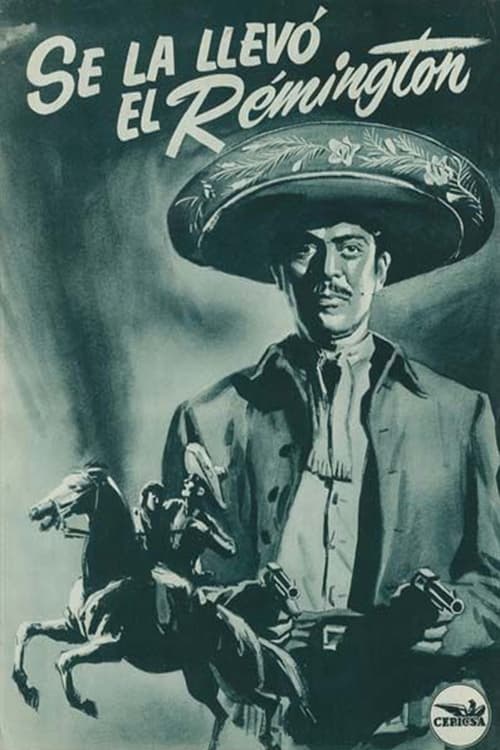
1948
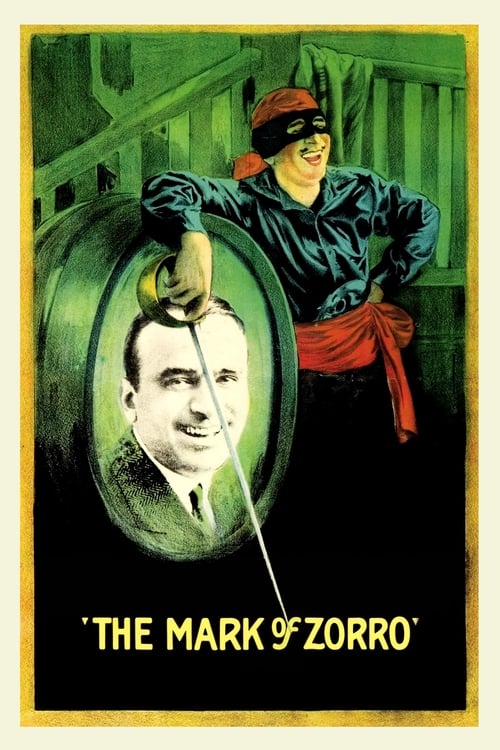
1920
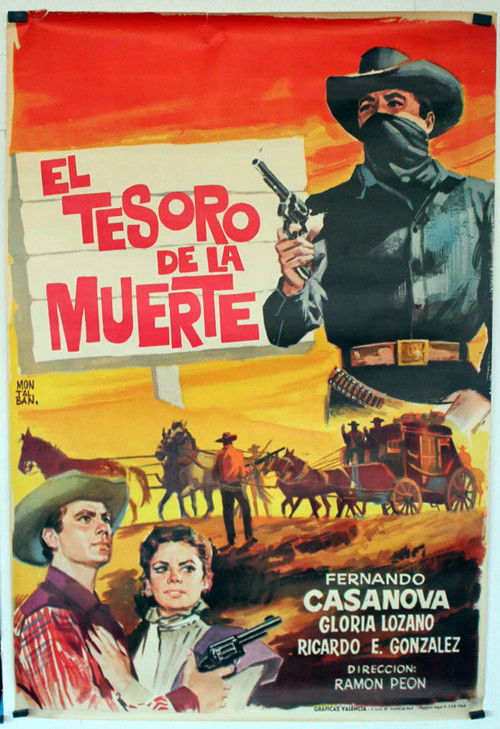
1954
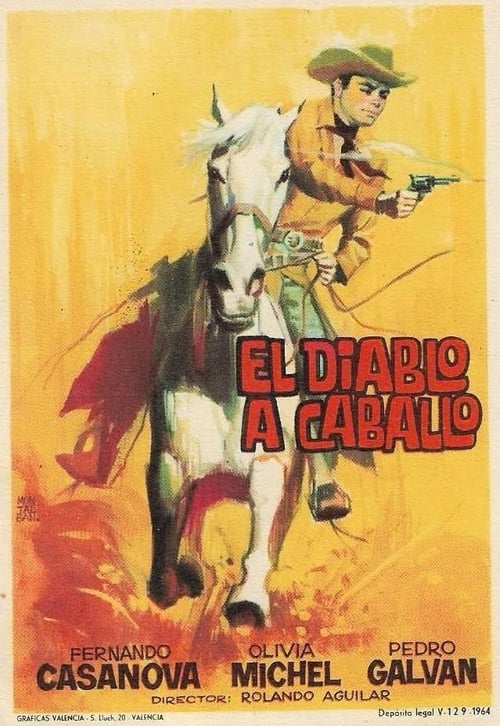
1955
No reviews yet. Be the first to share your thoughts on this movie!
Use the rating form above to leave a star rating and optional review.