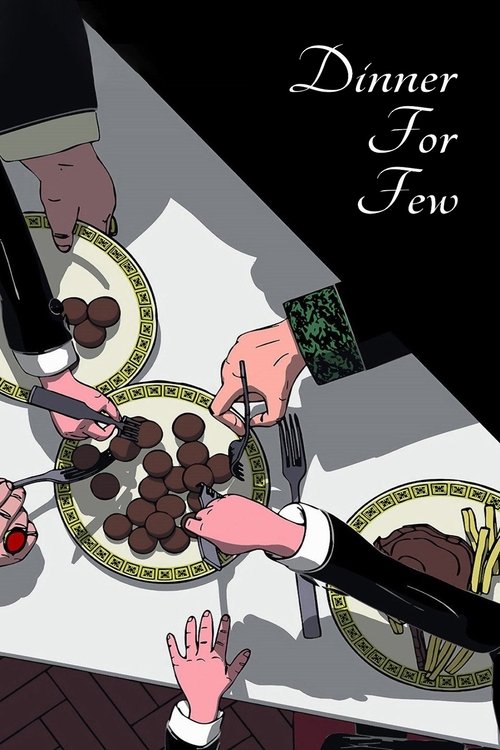
Dinner for Few
2015
No user ratings available yet
Representation score: 4.8 out of 10
Representation Score
Minimal
1975
Director
Zbigniew Rybczyński
Runtime
8 minutes
Average Rating
No ratings yetNew Showbiz Analysis
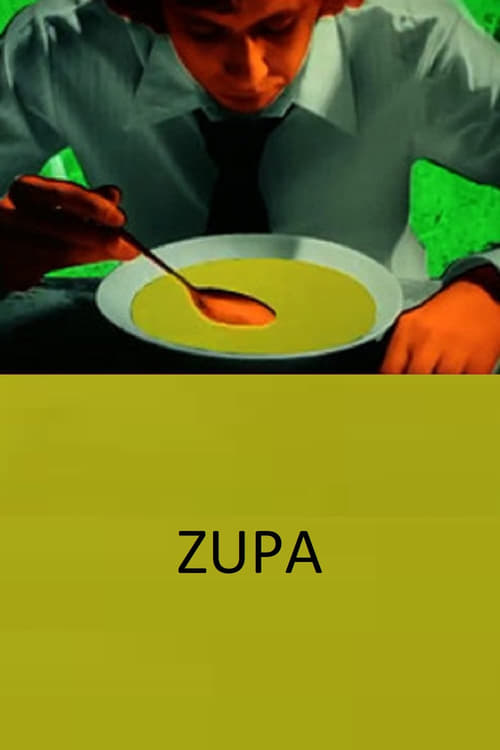
Zbigniew Rybczyński’s *Soup* is a masterclass in postmodern deconstruction, prioritizing formalist exploration over traditional narrative structure. By utilizing photomontage and surreal layering, the film explores the mechanics of movement and space rather than character-driven sociology. Because the work functions through rhythmic repetition and the deconstruction of temporal continuity, it largely bypasses conventional frameworks of identity politics. The film's value lies in its disruption of the cinematic medium itself rather than in the representation of diverse identities. Ultimately, the film exists as a technical exercise in kinetic abstraction. It avoids the traditional spectrum of social advocacy by focusing on the technical manipulation of the frame.
Category Breakdown
The film doesn't show any specific gender identities or romantic orientations. It focuses on abstract interactions between subjects and objects rather than interpersonal or sexual dynamics.
A couple is featured, but the photomontage removes them from traditional social roles. Characters function as rhythmic elements within a loop rather than participants in a gendered hierarchy.
The work focuses on formalist visual techniques within the Polish experimental school. There is no evidence of a multi-ethnic cast or the use of racial metaphors.
The film disrupts traditional Western storytelling by using a non-linear framework. However, it does not explicitly engage in anti-religious or anti-capitalist critiques.
There is no evidence of characters with visible or invisible disabilities. The focus remains strictly on the mechanics of movement and video layering.
Present on Screen
Limited or Absent
Official Synopsis
A couple's relationship develops in a combination of photomontage and animation.
2015

1970
1979

1958
1985
1912

1983
2006
No reviews yet. Be the first to share your thoughts on this movie!
Use the rating form above to leave a star rating and optional review.