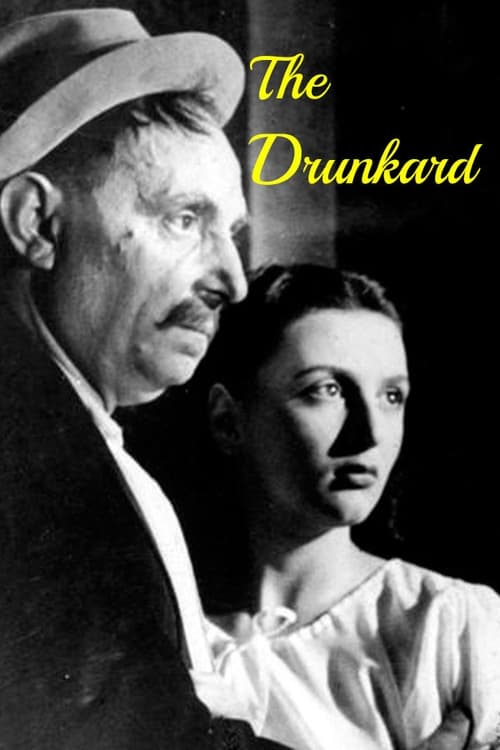
The Drunkard
1950
No user ratings available yet
Representation score: 3.4 out of 10

Representation Score
Minimal
1946
Director
Yorgos Tzavellas
Runtime
90 minutes
Average Rating
No ratings yetNew Showbiz Analysis
Forgotten Faces is a product of its 1946 post-war era, operating within the classical dramatic traditions of mid-20th-century Greek cinema. The film lacks modern multi-layered subversion, instead focusing on localized social transgressions and traditional moral consequences. The narrative relies heavily on established social hierarchies and gendered clichés. While it depicts the struggles of underrepresented individuals, these stories are told through a lens of traditional devotion and domestic sacrifice rather than progressive ability to act. Ultimately, the film serves as a reflection of its specific historical moment. It prioritizes individual morality and local social dynamics over diverse or globalized perspectives.
Category Breakdown
The film focuses on heterosexual relationships and traditional family structures. There are no queer narratives or non-binary identities.
A woman's story revolves around extreme hardship and sacrifice for a man. This framing relies on traditional feminine stereotypes rather than challenging gender hierarchies.
The production reflects a culturally homogeneous Greek setting. The story focuses on local social dynamics rather than multi-ethnic or globalized representation.
The film explores moral decay and social exclusion within a traditional framework. It prioritizes individual moral choices over secular or anti-capitalist themes.
The narrative contains no mention of characters navigating physical, sensory, or neurodivergent experiences.
Present on Screen
Limited or Absent
Official Synopsis
A marginal guy, Tony, returns from America and, in a nightclub, he meets his old love, who has become a prostitute for his sake, abandoning her husband and child. Tony tries to take advantage of his friend's daughter, who is about to get married to a rich young man.
1950
1931
1972
1961
1951
1955
1949

1964
No reviews yet. Be the first to share your thoughts on this movie!
Use the rating form above to leave a star rating and optional review.