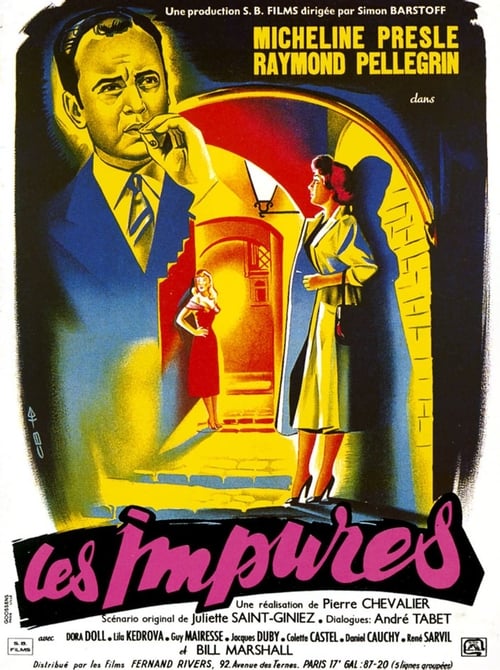
The Impure Ones
1954
No user ratings available yet
Representation score: 3.8 out of 10
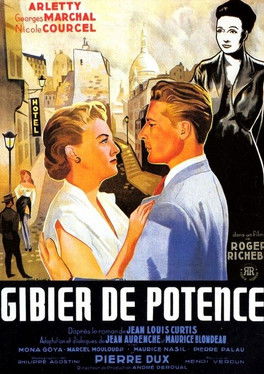
Representation Score
Limited
1951
Director
André Baud, Roger Richebé
Runtime
106 minutes
Average Rating
No ratings yetNew Showbiz Analysis
Gigolo is a mid-century drama that operates within the established social and moral hierarchies of 1951. The narrative prioritizes a classic conflict between moral purity and social degradation, using conventional character clichés. The film explores the exploitation of beauty and post-war survival, but it does so through a traditional lens. It lacks characters who reflect more than one aspect of diversity or systemic deconstruction found in more modern or subversive cinema. Ultimately, the work adheres to the standard gender and sexual frameworks of its era, focusing on a protagonist whose value is tied to his physical utility to women.
Category Breakdown
The film centers on heterosexual relationships, focusing on the protagonist's pursuit of a pure young lady. There are no representations of LGBTQ+ identities or non-cisgender narratives.
Female characters are categorized into archetypes of 'shady' women and 'pure' ladies. The story examines the moral categorization of women working in the sex trade.
This period-specific French drama focuses on social classes within France. The narrative does not include diverse or non-Anglo-Saxon characters.
The story uses Dominican brothers and an orphanage as a backdrop for the protagonist's past. It follows traditional moral storytelling without systemic critique.
There are no characters with visible or invisible disabilities in this work.
Present on Screen
Limited or Absent
Official Synopsis
Back from the war, Marceau Le Guern remembers. Educated in an orphanage run by Dominican brothers, he fell into misery when he left it. His only asset was his good looks, which did not escape the attention of Madame Alice, a shady woman who persuaded him to pose for pornographic photos meant for lonely aging women. Marceau also served as a gigolo before the war and captivity put an end to this juicy business. Now he wants to start a new life, all the more as ha has found love in the person of a pure young lady named Dominique. But Madame Alice won't hear of it...
1954
1962
1978
1961
1969
1964

1946

1978
No reviews yet. Be the first to share your thoughts on this movie!
Use the rating form above to leave a star rating and optional review.