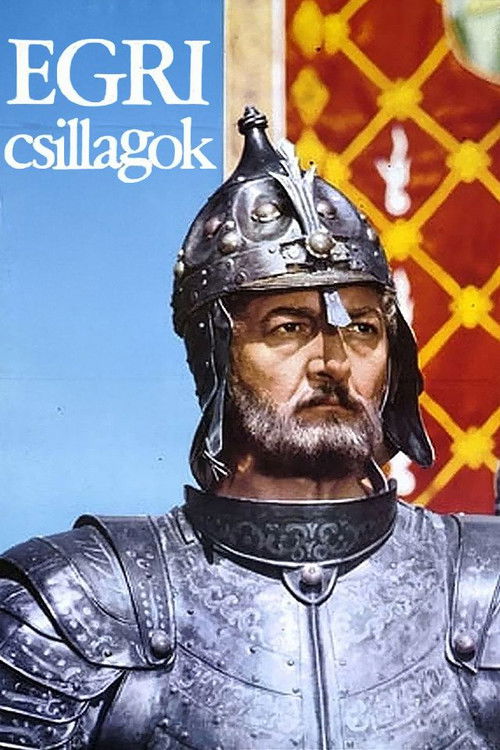
Stars of Eger
1968
No user ratings available yet
Diversity score: 3.0 out of 10
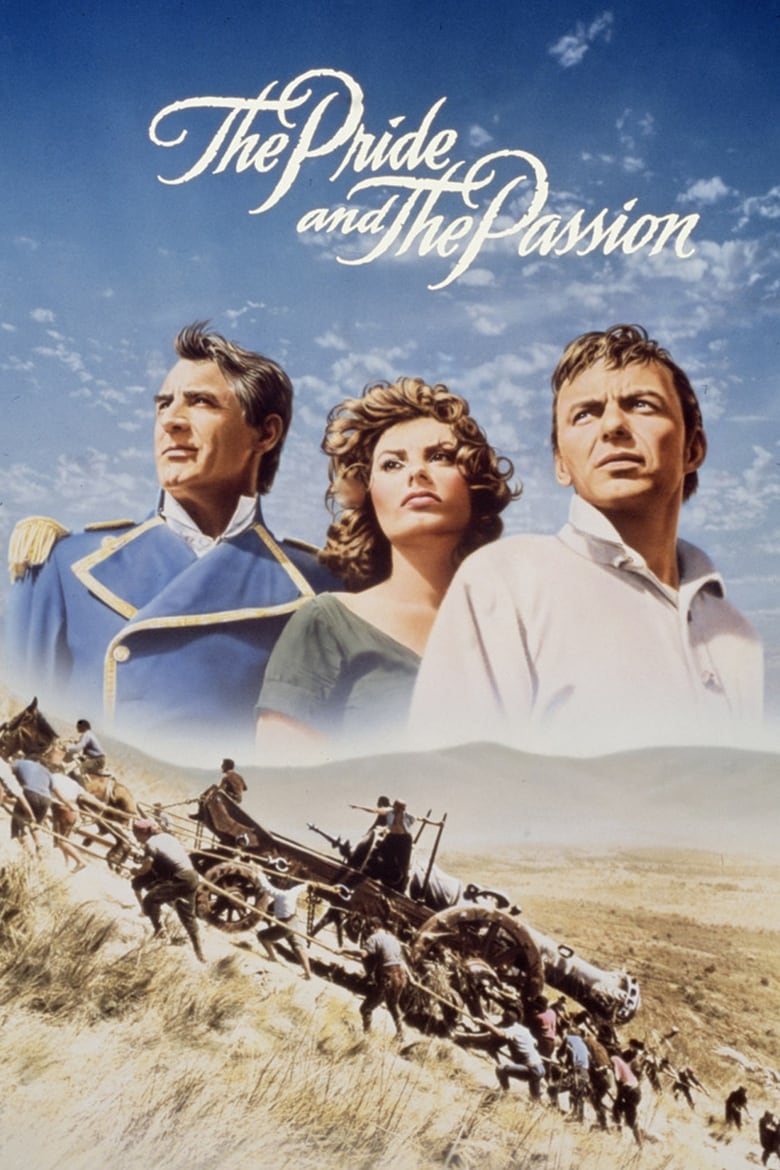
1957
Director
Stanley Kramer
Runtime
132 minutes
Average Rating
No ratings yetSynopsis
During the Napoleonic Wars, when the French have occupied Spain, some Spanish guerrilla soldiers are going to move a big cannon across Spain in order to help the British defeat the French. A British officer is there to accompany the Spanish and along the way, he falls in love with the leader's girl.
Overall Score
Fair
Category Breakdown
LGBTQ+ Representation
The film lacks LGBTQ+ characters or non-heteronormative identities. The central romance follows a traditional structure between a British officer and a Spanish woman.
Gender Representation
Female characters possess significant agency and influence within the Spanish resistance. This avoids standard mid-century tropes of submissive femininity in favor of active political and military roles.
Racial & Ethnic Diversity
The production utilizes progressive, color-blind casting for its historical setting. The inclusion of Sidney Poitier in a Spanish context disrupts the homogeneous casting typical of 1950s epics.
Religious & Cultural Diversity
The story explores anti-imperialism through the lens of guerrilla resistance. It prioritizes personal honor and survival over formal religious or institutional structures during the Napoleonic Wars.
Disability Representation
There is no evidence of characters with visible or invisible disabilities serving as central plot devices or possessing specific agency.
Strengths
Areas for Improvement
AI Analysis
Stanley Kramer’s film serves as a transitional historical epic that pushes against the rigid social boundaries of the 1950s. It succeeds by integrating diverse casting and complex gender dynamics into a traditional war-romance framework. The narrative's strength lies in its refusal to adhere to the era's standard racial and gendered homogeneity. By centering the struggle on anti-imperialist resistance, the film offers a sophisticated layer of social commentary regarding honor and authority. However, the film remains limited by its adherence to heteronormative romantic structures and a lack of representation for LGBTQ+ identities or characters with disabilities.
No reviews yet. Be the first to share your thoughts on this movie!
Use the rating form above to leave a star rating and optional review.