Aunt Isabel's Garden
1972
No user ratings available yet
Diversity score: 6.4 out of 10
1952
NRDirector
Jean Negulesco
Runtime
89 minutes
Average Rating
No ratings yetSynopsis
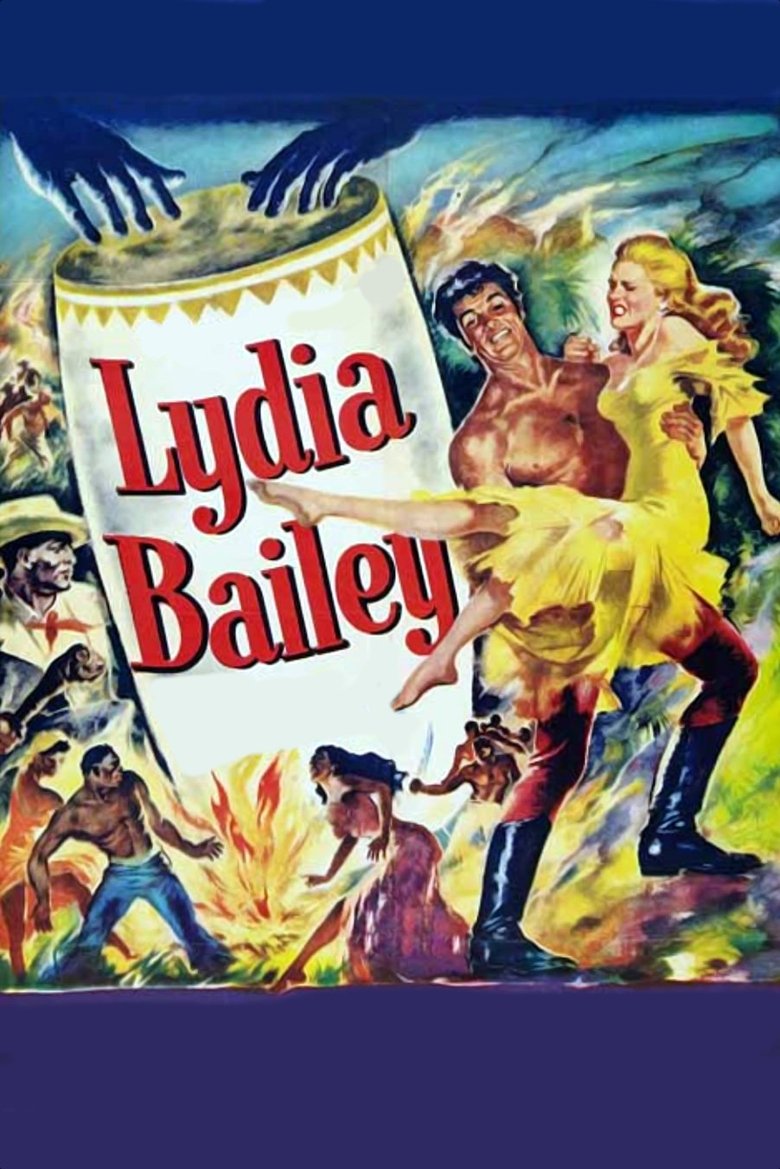
A young Boston lawyer, Albron Hamlin, goes to Haiti in 1802 to find Lydia Bailey, whose estate he must settle. The island is war-torn in the strife between Toussaing L'Overture, the black president, and the French who are trying to retake possession of the country. Hamlin finds Lydia and, against the background of war and rebellion, they fall in love while helping the Haitians against the French.
Overall Score
Fair
Category Breakdown
LGBTQ+ Representation
The film focuses on a traditional romantic pairing between Albron Hamlin and Lydia Bailey. No non-cisnormative identities or critiques of heteronormativity are present.
Gender Representation
While Lydia Bailey is a central figure, her role is largely tied to the protagonist's arrival. The narrative follows a conventional structure led by a male protagonist.
Racial & Ethnic Diversity
The story engages with racial conflict by centering the Haitian Revolution. It acknowledges Black political agency through the leadership of Toussaint Louverture.
Religious & Cultural Diversity
The film introduces anti-colonial sentiment by positioning French colonial interests as antagonists. However, a Western lawyer serves as the primary lens for the experience.
Disability Representation
There is no mention of characters with visible or invisible disabilities in the narrative.
Strengths
Areas for Improvement
AI Analysis
Lydia Bailey occupies a transitional space in mid-century cinema. It avoids total erasure of non-Western agency by centering the Haitian Revolution and the struggle for Black sovereignty. However, the film remains anchored in traditional Western-centric storytelling. The narrative structure relies on a classic hero's journey, using the geopolitical strife of 1802 as a backdrop for a romantic arc. While it recognizes the agency of Haitian revolutionaries, the perspective is mediated through a Boston lawyer. Ultimately, the film acknowledges systemic colonial conflict without fully deconstructing the traditional romantic and adventure tropes of its era.
1972
1962

2011

1954
1960

1974
1954

1954

1994

2004
No reviews yet. Be the first to share your thoughts on this movie!
Use the rating form above to leave a star rating and optional review.