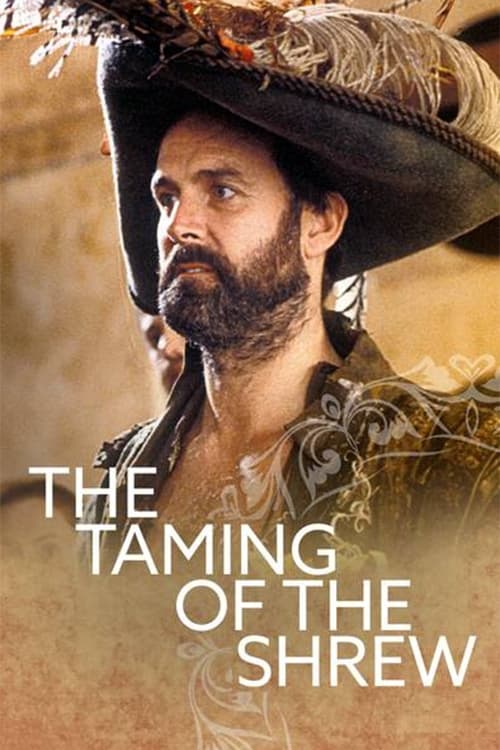
The Taming of the Shrew
1980
No user ratings available yet
Representation score: 0.2 out of 10
Representation Score
Minimal
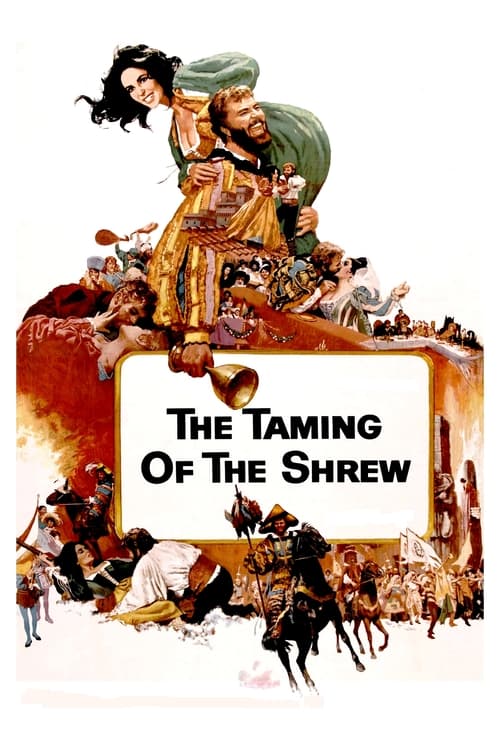
1967
ApprovedDirector
Franco Zeffirelli
Runtime
117 minutes
Average Rating
No ratings yetNew Showbiz Analysis
Zeffirelli’s adaptation prioritizes historical and literary fidelity over modern social reconfiguration. By emphasizing the period-accurate power dynamics of the Renaissance, the film functions as a traditionalist study of classical hierarchies. The production reinforces conventional structures regarding gender and class, presenting the socio-economic importance of marriage and male dominance as the foundational social order of the era.
Category Breakdown
The film strictly follows 16th-century social structures and does not depict any non-traditional gender identities or same-sex relationships. It focuses entirely on traditional courtship.
The narrative emphasizes patriarchal hierarchies through the 'taming' of Katherina. It portrays period-specific expectations of female submission to male authority without challenging traditional gender roles.
The cast is predominantly white and European, reflecting Renaissance Italy. The production maintains a homogeneous depiction of the Italian gentry without using diverse casting.
The film celebrates established social orders and the sanctity of the patriarchal family unit. It presents traditional domestic roles and marriage contracts as the standard for stability.
There are no prominent depictions of physical or neurodivergent disabilities used as central character traits or plot devices.
Present on Screen
Limited or Absent
Official Synopsis
Italy, 16th century. Petruchio, a choleric, lying and poor rural landowner from Verona, arrives in Padua in search of fortune and a wife, while Baptista, a wealthy merchant, announces that he will not allow Bianca, his youngest daughter, to marry until the temperamental and unruly Katherina, his eldest daughter, does.
1980
1972
1929

1958
1993

1963
1965
1981
No reviews yet. Be the first to share your thoughts on this movie!
Use the rating form above to leave a star rating and optional review.