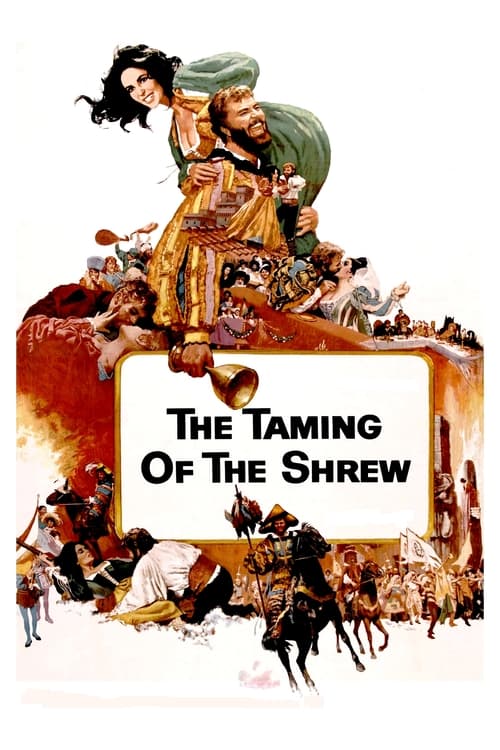
The Taming of the Shrew
1967
No user ratings available yet
Representation score: 0.3 out of 10
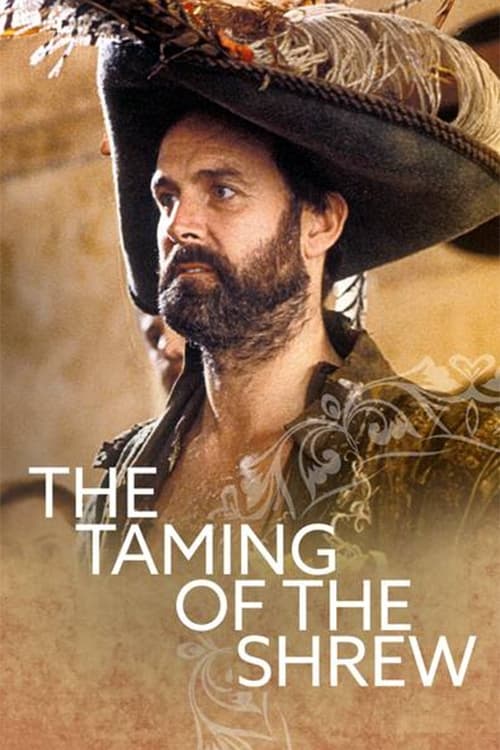
Representation Score
Minimal
1980
TV-14Director
Jonathan Miller
Runtime
126 minutes
Average Rating
No ratings yetNew Showbiz Analysis
This adaptation preserves historical social norms rather than critiquing them. It strictly follows the source text's period-specific hierarchies, offering little challenge to the status quo. The film focuses almost exclusively on reinforcing established gender and class structures, lacking multi-layered depth. The narrative emphasizes male dominance and traditional Western social orders. Overall, the production serves as a traditionalist period piece reflecting the social constraints of the Renaissance era without attempting to deconstruct them.
Category Breakdown
The film does not include any identifiable LGBTQ+ characters or themes. All romantic relationships are centered around traditional heterosexual courtship.
The story reinforces patriarchal structures through the psychological taming of Katherina. Male dominance drives the plot, presenting marriage as a means to control female independence.
The cast is primarily white and lacks diversity. The production does not feature actors from non-Anglo-Saxon backgrounds or engage in race-bent casting.
The story upholds traditional Western class structures and social norms. It portrays existing patriarchal systems as the natural order of the Renaissance era.
There are no visible or invisible disabilities depicted. No characters with disabilities are used as plot devices.
Present on Screen
Limited or Absent
Official Synopsis
Italy, 16th century. Petruchio, a choleric, lying and poor rural landowner from Verona, arrives in Padua in search of fortune and a wife, while Baptista, a wealthy merchant, announces that he will not allow Bianca, his youngest daughter, to marry until the temperamental and unruly Katherina, his eldest daughter, does.
1967
1980
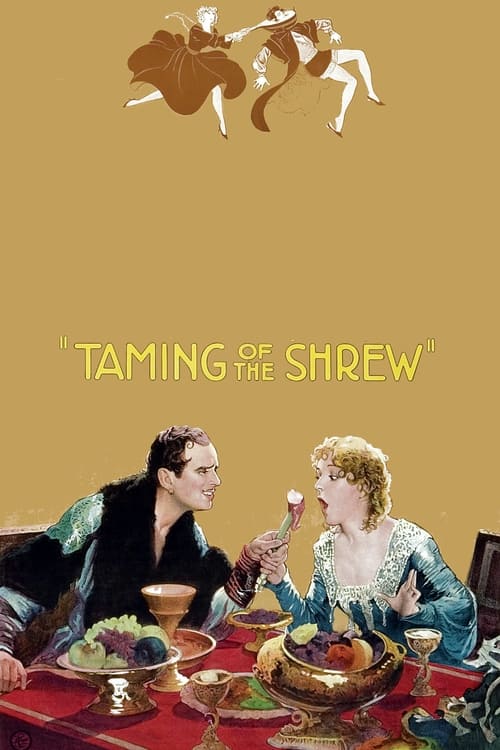
1929
1993

2019

2004

1988
1999
No reviews yet. Be the first to share your thoughts on this movie!
Use the rating form above to leave a star rating and optional review.